
About Georgia
Georgia is a small country in the South Caucasus, between the Black Sea and the Greater Caucasus Mountains. For travelers it holds an unusual amount within a short drive: a walkable capital, some of the world's oldest wine country, mountain villages beneath 5,000-meter peaks, rock-cut monasteries, and a subtropical coastline.
What surprises most first-time visitors is the scale. Georgia is roughly the size of Ireland, yet you can have breakfast in a city cafe, stand at a glacier viewpoint by afternoon, and eat dinner at a family winery the next evening. Distances are short; the mountain roads are what take time.
This page is an overview of the country as a destination — where it is, what each part is like, how long to give it, and when to come. To browse by place instead, start with our Georgia destination guides.
- Capital: Tbilisi
- Area: about 69,700 km²
- Language: Georgian, written in its own alphabet
- Currency: Georgian lari (GEL)
- Time zone: UTC+4, no daylight saving
- Population: about 3.7 million
Where is Georgia?
Georgia sits in the South Caucasus, where Eastern Europe and Western Asia meet. The Black Sea forms its western edge, the Greater Caucasus runs along the northern border with Russia, and Turkey, Armenia and Azerbaijan lie to the south. Whether that makes it Europe or Asia is a common question; culturally it looks westward, geographically it straddles the line.
One piece of geography matters for planning: the Likhi range splits the country in two — the drier, wine-growing east around the capital, and the green, humid west draining toward the sea. Most itineraries either stay on one side or cross between them on the main highway.
Why visit Georgia?
The short answer is variety within reach. Few countries let you combine high mountains, ancient wine culture, Orthodox monasteries and a beach resort in a single week or two without long transfers between them.
Wine is the other reason people come. Georgia is often described as one of the world's oldest wine regions, with an unbroken tradition of fermenting in buried clay vessels called qvevri — a method recognized by UNESCO as intangible cultural heritage. In Kakheti you can visit a large modern estate and a one-room family cellar on the same afternoon.
Then there is the hospitality, which is real but often misdescribed. Feeding a guest is taken seriously here, and a long table with a designated toastmaster is a genuine social institution rather than something staged for visitors.
Georgia's regions and landscapes
The regions feel markedly different from one another. These matter most on a first or second trip — you can also browse every region or go straight to our city guides.
Tbilisi and the center. The capital is the natural base: sulphur baths and balconied houses below a hilltop fortress, a serious restaurant scene, and good roads in every direction. Nearby Mtskheta, the former capital and spiritual center, is a half-day trip.
The wine east. Beyond the capital the land opens into vineyards backed by the Caucasus wall — cellars, hilltop towns and monasteries, easily done as a long day or an overnight.
The high mountains. Kazbegi is the most accessible piece of the Greater Caucasus, three hours from the capital. Svaneti, in the far northwest, is the more committing one: medieval stone tower-houses, glacier valleys and a longer drive, but for many travelers the highlight of the country.
The green west. Imereti has canyons, caves and monasteries; Adjara runs down to the sea; Samegrelo and the Racha highlands are quieter, better suited to a return visit.
The southern uplands. Samtskhe-Javakheti is high, open and thinly populated, with a cave city cut into a gorge wall and a restored fortress above Akhaltsikhe.
Georgian culture and history
Christianity was adopted here in the fourth century, and the Georgian Orthodox Church has been a central thread since — which is why so much of what you visit is ecclesiastical: hilltop churches, working monasteries, and frescoes in buildings still in use after a thousand years.
Georgian is unrelated to Indo-European or Turkic languages and is written in a rounded alphabet found nowhere else; its three historic scripts are on the UNESCO intangible heritage list. A few words go a long way — our guide to essential Georgian words and phrases covers the useful ones.
Older layers sit underneath: Uplistsikhe is a town carved into rock, in use long before Christianity arrived; Vardzia is a twelfth-century monastic city hollowed out of a cliff. The Soviet period left its own marks, and these are increasingly part of what visitors come to see rather than something to look past.
Georgian wine and food
Food and wine are not a side attraction here; for many travelers they are the trip. The cooking is regional, herb-heavy and generous with walnuts, and it varies noticeably between the dry east and the humid west.
Wine
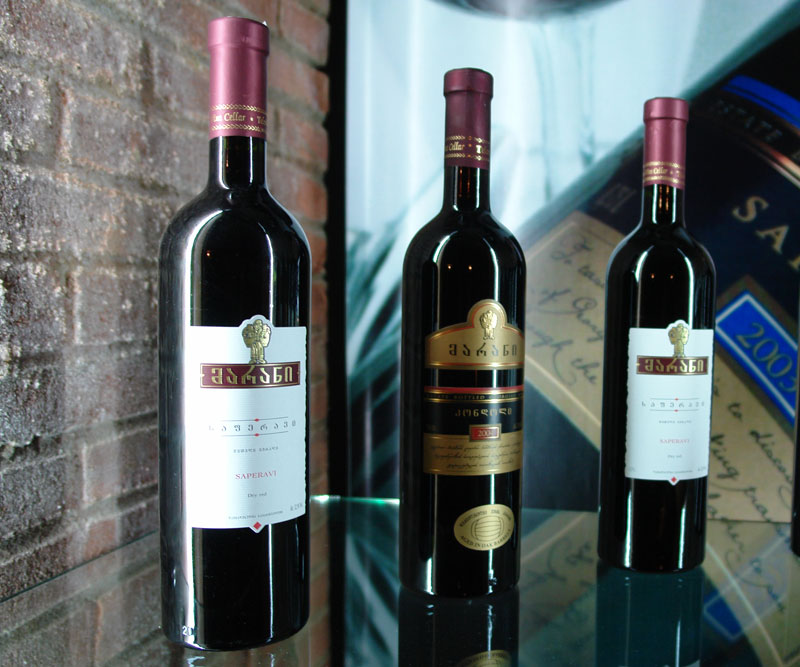
Winemaking here never fully industrialized, so the qvevri method — fermenting in beeswax-lined clay vessels buried to the neck — survived alongside modern European technique. Kakheti is the best-known wine region, though Imereti, Kartli and Racha each have their own grapes. Amber or "orange" wine, made by leaving white grapes on their skins, is the style most visitors remember.
Popular dishes
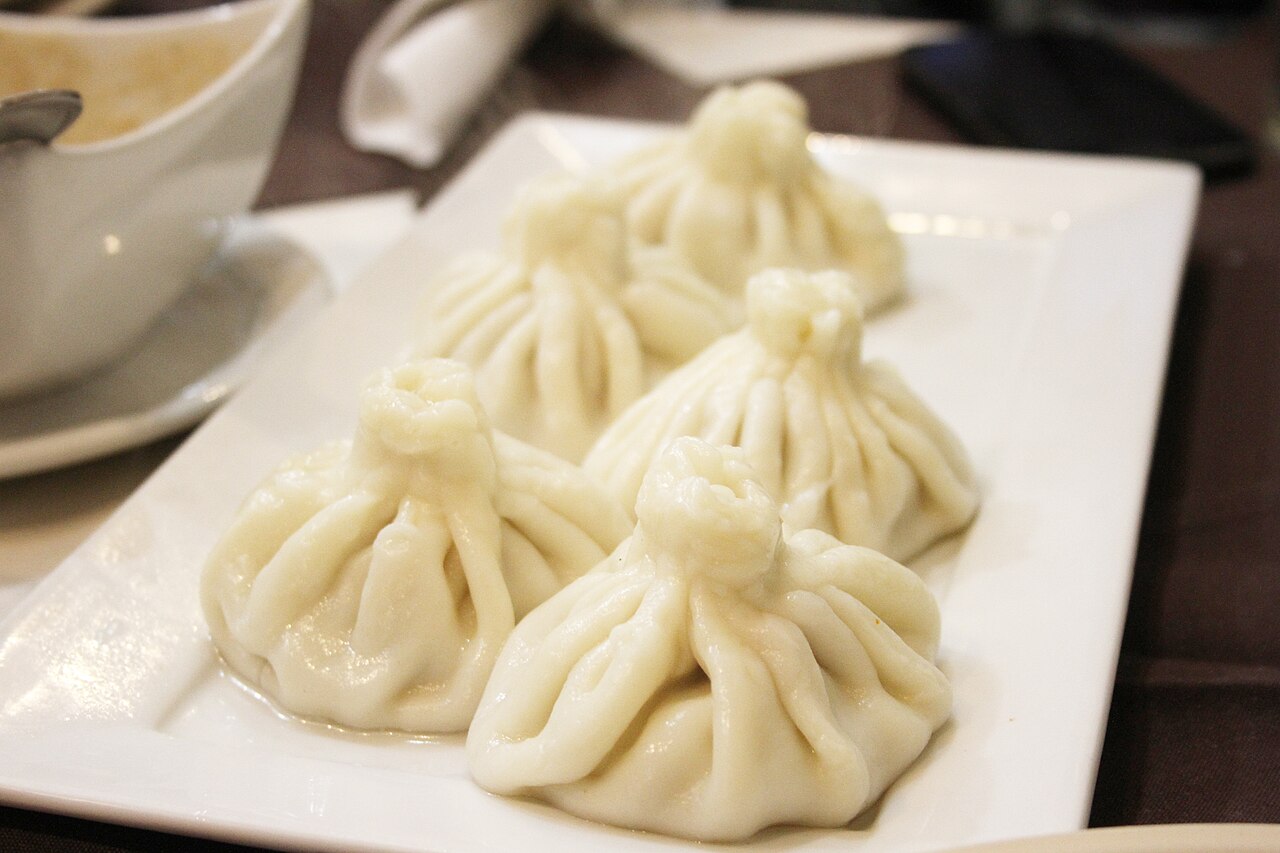 Khinkali: Dumplings typically filled with beef, pork, or lamb, and seasoned with herbs.
 Khachapuri: A traditional cheese-filled bread with various regional variations.
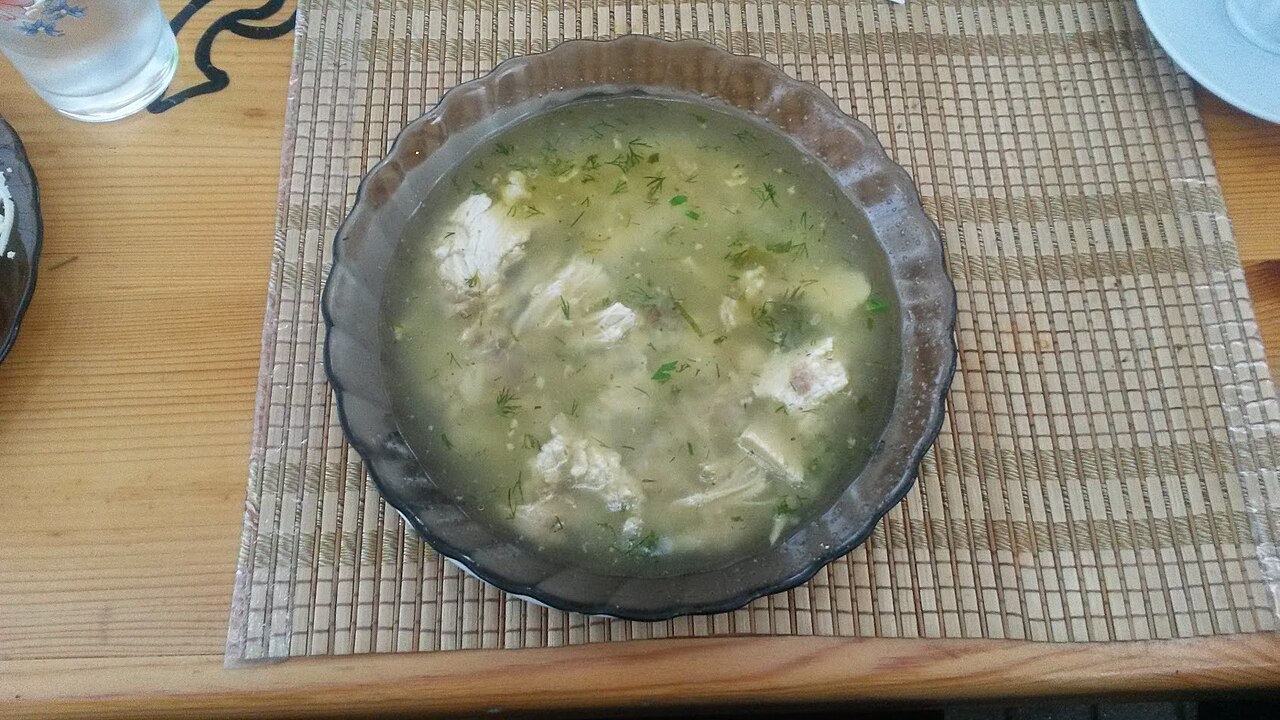 Chikhirtma: A soup made from turkey or chicken and eggs.
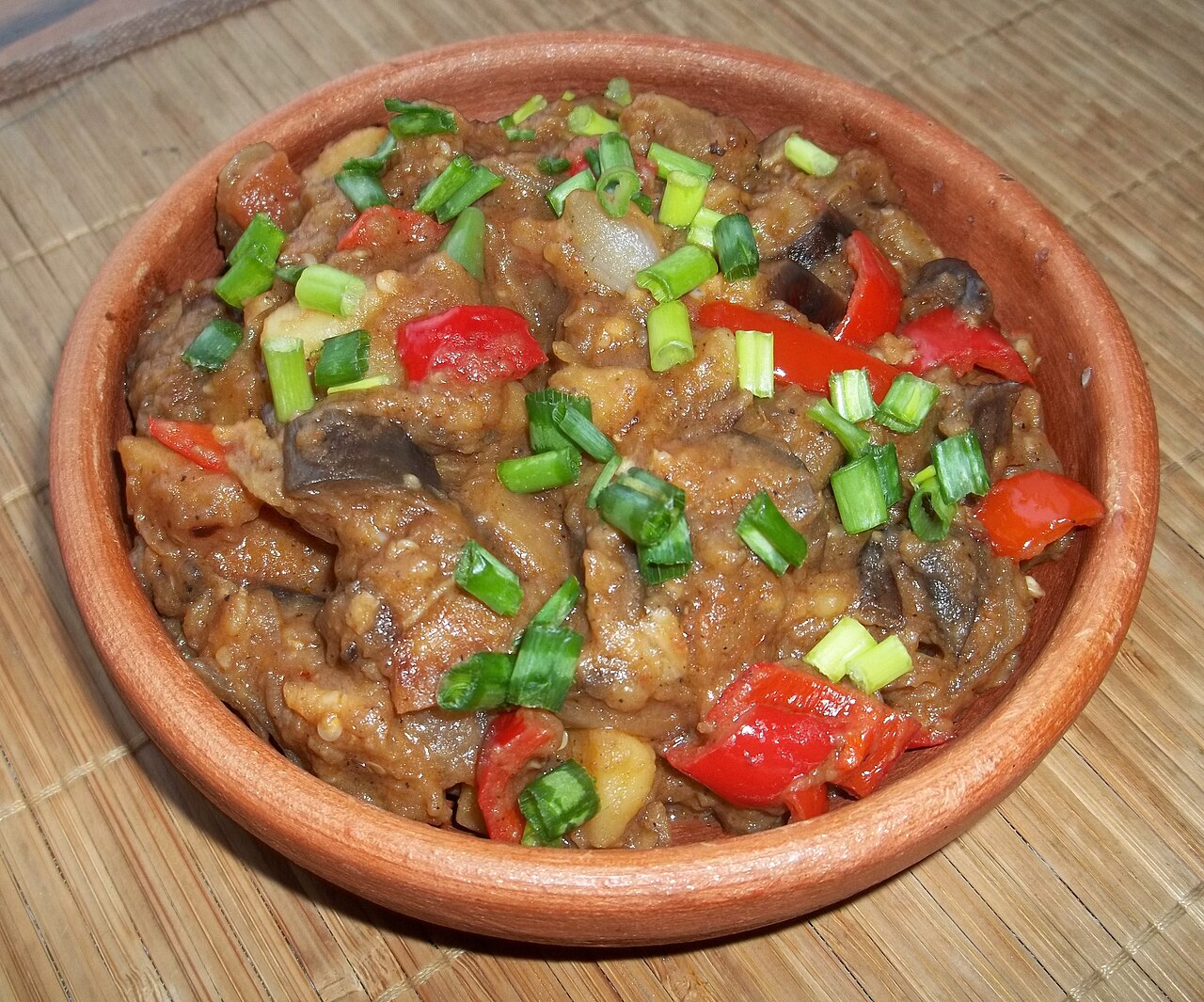 Adjapsandali: A vegetable stew made with eggplants, potatoes, tomatoes, onions, and herbs.
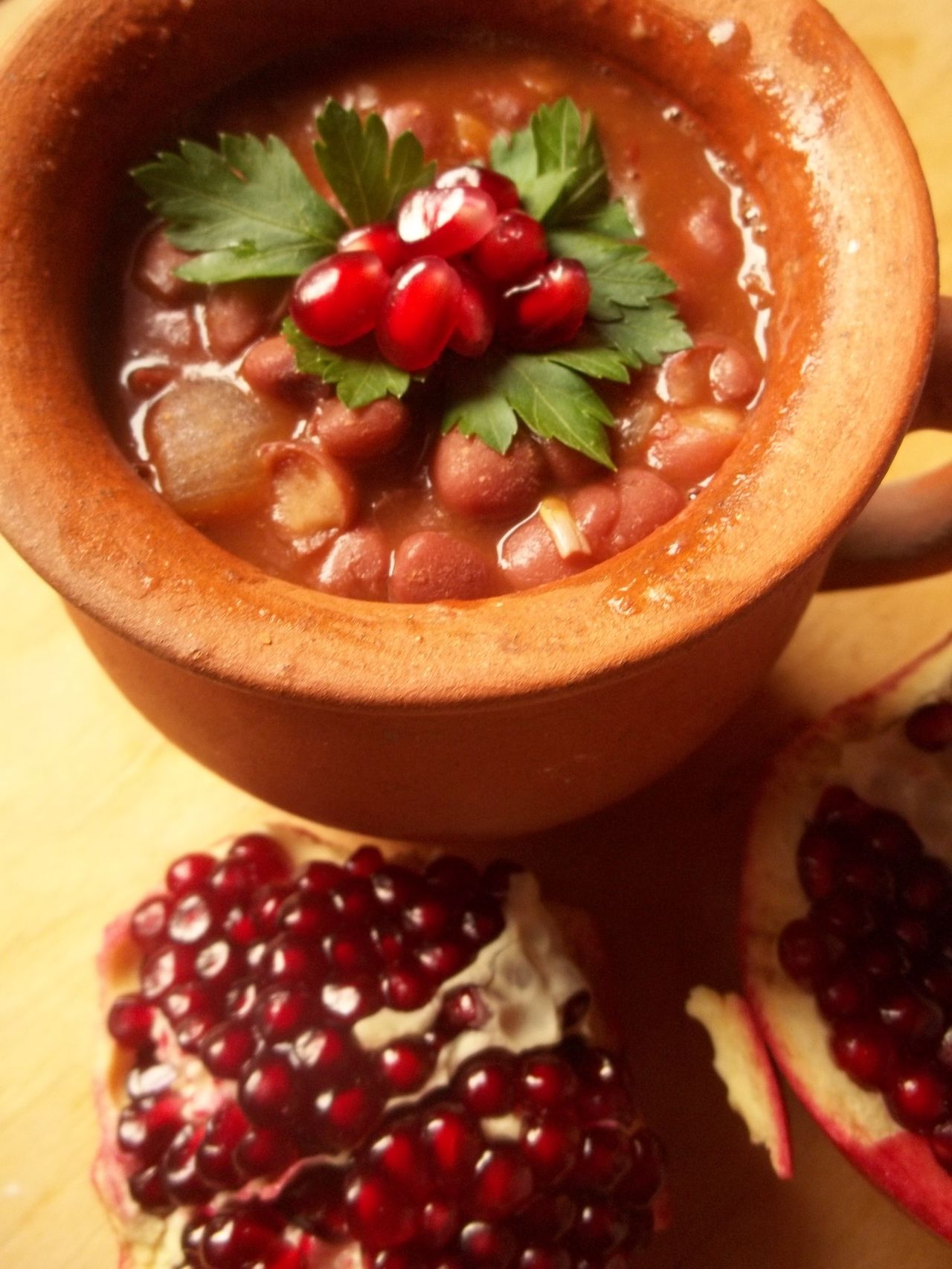 Lobio: A kidney bean stew.
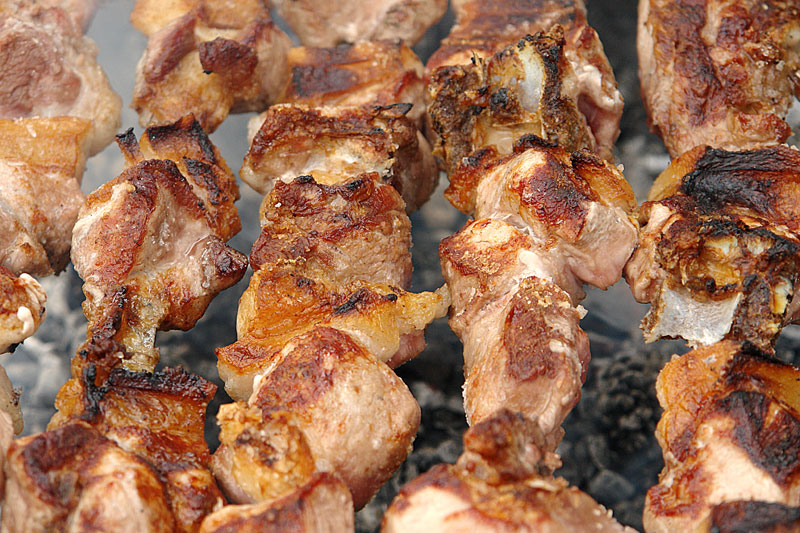 Mtsvadi: Meat cooked on an open flame.
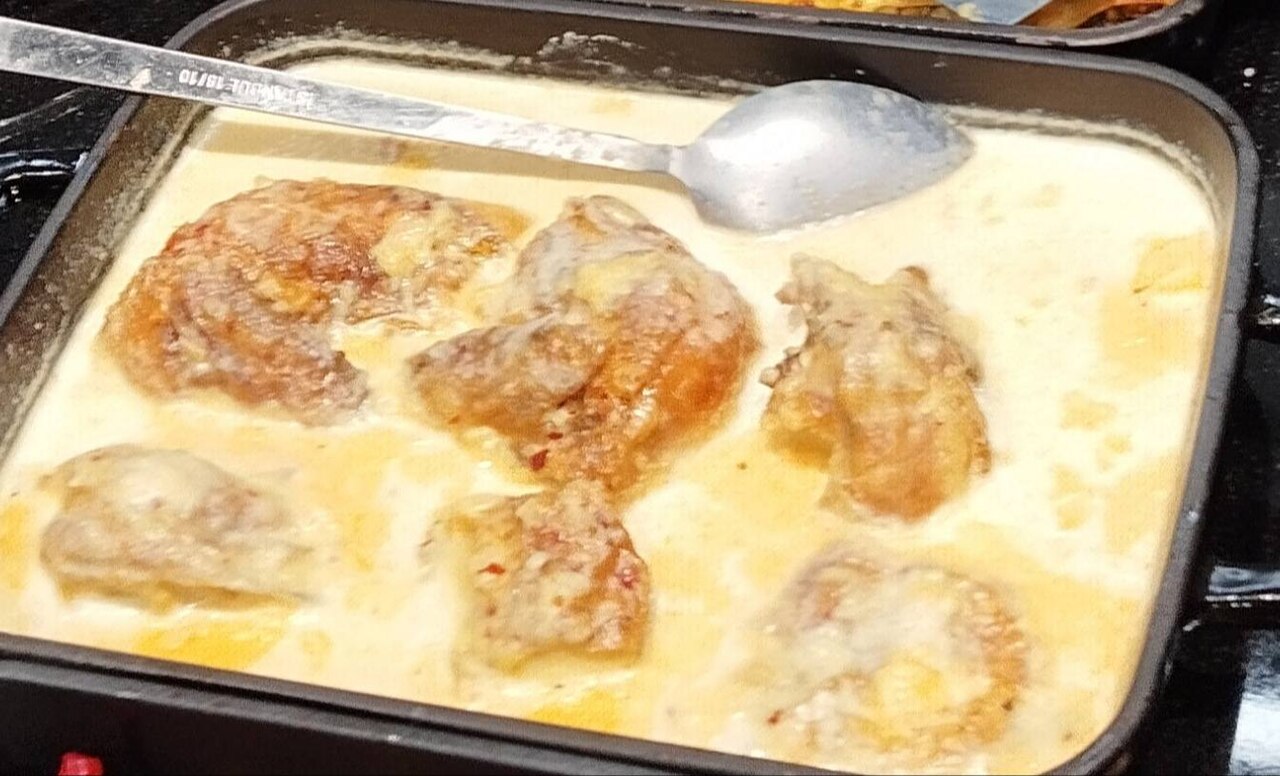 Shkmeruli: Chicken in a creamy garlic sauce.
The setting matters as much as the dishes. A supra is a structured feast led by a tamada, or toastmaster, who works through a sequence of toasts — to peace, to family, to those no longer here. Accept an invitation to one if you get the chance.
Mountains, nature and adventure
The Greater Caucasus is the main event for walkers. It holds peaks well above 5,000 meters, but what matters to most visitors are day hikes rather than technical climbs. The classic short walk is the ascent to Gergeti Trinity Church, standing alone on a ridge below a glaciated peak.
Further west, the four-day trek between Mestia and Ushguli is the best-known multi-day route in the country. Lower down there are canyons, karst caves and waterfalls, and several national parks with marked trails.
Winter is a real season here — Gudauri is the largest ski area and the easiest to reach. High mountain access is seasonal: roads to the highest villages close with snow and some passes open only in summer, so winter itineraries are built differently.
The Black Sea coast and city breaks
Batumi is the main coastal city — subtropical, densely built along the shore, and a genuine contrast to the rest of the country. It works well as the last stop on a westward route. The beaches are pebble rather than sand, and the season is shorter than the Mediterranean.
For a shorter trip the capital is the obvious base, and Kutaisi is the practical gateway to the west, with budget flights from several European cities. Many itineraries fly into one and out of the other, which avoids doubling back.
How many days do you need in Georgia?
Three to four days covers the capital and one excursion — the old town plus either the wine country or the mountains, not both.
Five to seven days is the first length that feels unhurried: the capital, the high Caucasus and the wine region, or the capital plus the western half of the country.
Eight to ten days covers the classic cross-country route — capital, mountains, wine country, the west and the coast — at a pace that still leaves time to stop.
Twelve to fourteen days is what you need to add Svaneti properly, or to spend real time in one or two regions instead of moving every night. Our private tours show how these lengths work in practice.
When is the best time to visit Georgia?
Spring (April–June) is green and mild in the lowlands, and one of the best windows for the capital and wine country. High passes may still be closed early on.
Summer (July–August) is hot in the east and humid on the coast — which is exactly when the mountains are at their best, and the reliable season for high trekking.
Autumn (September–October) is many people's favorite: the heat drops, the light is good, and the grape harvest brings the wine regions to life. It is the busiest season, so book earlier.
Winter (November–March) means skiing, quiet cities and a different atmosphere. Mountain regions are limited by snow; the capital and lowlands stay open and comfortable.
Practical travel information
Getting there and getting around
The main international airports are at the capital and Kutaisi, with a third at Batumi serving the coast in season. Distances look modest on a map, but mountain roads are slow, so allow more time than the kilometers suggest. Most visitors travel by private car with a driver — the practical way to reach villages and cellars; marshrutka minibuses and trains cover the main intercity routes cheaply.
Language and money
Georgian is the official language, and Russian is still widely understood by older generations. English is common among younger people and in tourism, less so in villages, so a guide or driver helps outside the cities. The currency is the lari; cards work in cities and hotels, but carry cash for rural guesthouses, small wineries and markets.
Eating, etiquette and safety
Vegetarians eat well here — bean stews, aubergine with walnut paste, cheeses, salads and breads are central to the cuisine rather than substitutes, and the Orthodox fasting tradition means plant-based dishes are well understood. Dress modestly in churches: women usually cover their head, men avoid shorts, and scarves are normally available at the entrance. Georgia is generally regarded as straightforward to travel in, but check current official advice for your nationality before booking, since entry rules and regional access can change.
For a fuller practical rundown see our Ultimate Guide to Traveling to Georgia, or browse the individual places worth planning a trip around.
Planning your trip with Hikasus Travel
Hikasus Travel is based in Georgia, and the part of the job that matters most is usually the routing — which regions fit the time you have, in what order and in which season. A week spent well in two regions beats a week spent moving every night.
We arrange private, tailor-made trips with drivers, guides and accommodation handled end to end, as well as scheduled group tours for travelers who prefer a fixed departure. If you already know roughly what you want to see, send us the outline and we will tell you honestly whether it fits.
Common questions about Georgia
Where is Georgia located?
Georgia is in the South Caucasus, bordered by the Black Sea to the west, Russia to the north, Turkey and Armenia to the south, and Azerbaijan to the southeast. It sits on the boundary between Eastern Europe and Western Asia.
What is Georgia known for?
Wine made in buried qvevri clay vessels, the food and feast culture around it, the Greater Caucasus mountains, ancient Orthodox monasteries and cave towns, and a reputation for hospitality.
How many days do you need in Georgia?
Five to seven days covers the capital plus either the mountains and wine country or the western half. Eight to ten allows the classic cross-country route, and twelve to fourteen adds the far northwest or a slower pace.
When is the best time to visit Georgia?
Late spring and autumn suit most trips, with September and October best for the grape harvest. July and August are the reliable months for high mountain trekking, and winter is for skiing and cities.
Is Georgia good for a first-time trip?
Yes. Distances are short, the capital is an easy base, and a first visit can combine city, mountains and wine country without long transfers.
Can Hikasus Travel plan a private Georgia itinerary?
Yes — that is the core of what we do. Tell us your dates, interests and pace, and we will put together a route with transport, guiding and accommodation arranged.
Ready to start planning? Explore Georgia by region or by city, or tell us what you have in mind and we will build the route around it.