
Things to Do in Gori, Georgia: Stalin Museum, Uplistsikhe, and the Fortress
Gori is one of the most historically layered cities in central Georgia — the country in the South Caucasus. About an hour from Tbilisi, it's often included as a stop on the way to western Georgia, but it deserves more than a quick look. The city combines ancient history, a Soviet-era legacy, and nearby archaeological sites dating back thousands of years. Gori itself is compact, but the surrounding area offers some of the most diverse historical experiences in the country.
What is there to do in Gori?
The main things to do in Gori are visiting the Joseph Stalin Museum, climbing to Gori Fortress for the view, and exploring the Uplistsikhe cave town 15 kilometers east. Add a walk through the city center, the Great Patriotic War Museum, and easy combinations with Mtskheta or Ananuri, and Gori fills an easy day from Tbilisi. It's a place that packs several distinct eras — Iron Age, medieval, and Soviet — into a short distance, rather than one big headline sight.
Visit the Stalin Museum
The Joseph Stalin Museum is the best-known attraction in Gori and one of the most visited museums in Georgia, dedicated to Joseph Stalin, who was born in the city in 1878. The complex includes the house where Stalin was born, a large exhibition building, and his personal armored train carriage.
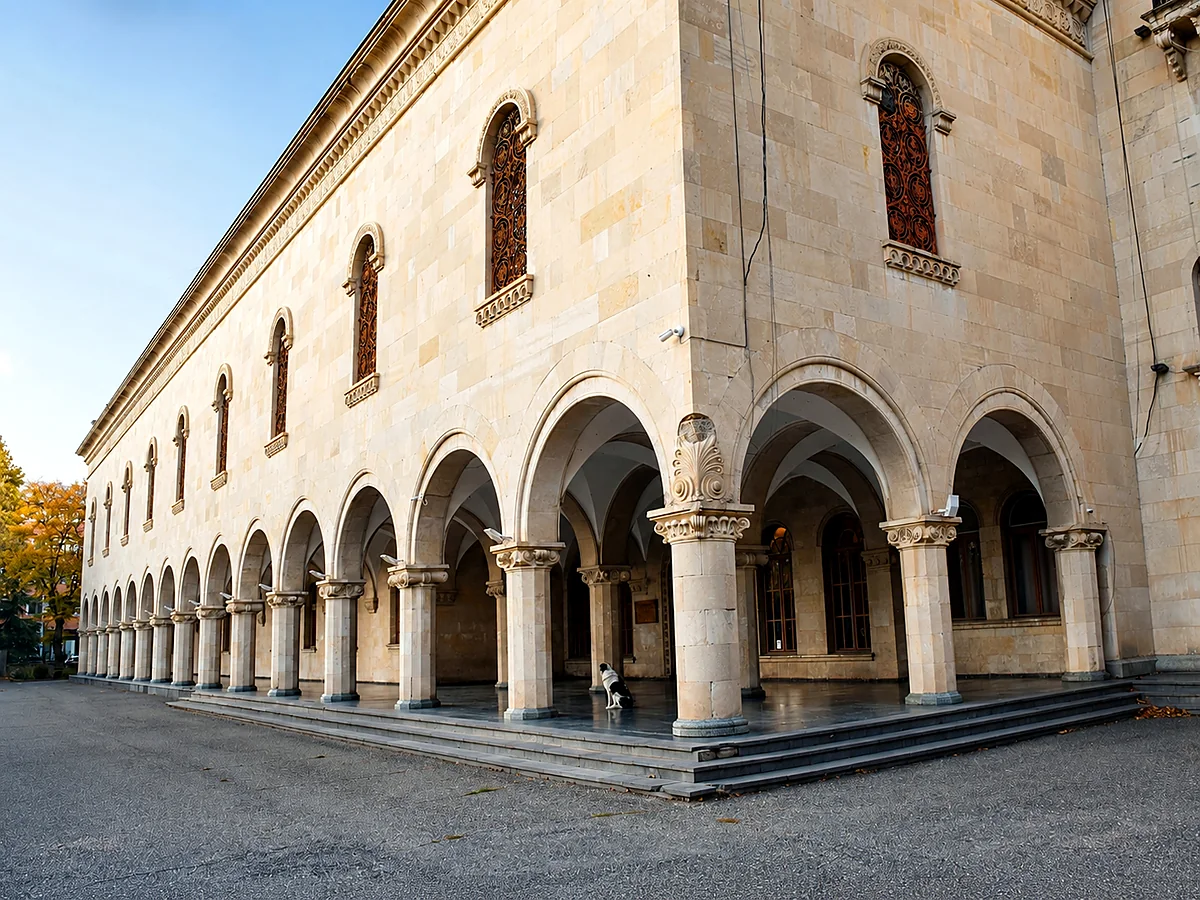
It's worth being clear about what the museum is. Established in the 1950s, it presents Stalin's life reverentially and largely uncritically, and it does not systematically address the purges, the Gulag, or the millions of deaths under his rule. That one-sidedness is exactly what makes it interesting: the museum works as an artifact of how the Soviet cult of personality was built and maintained, rather than a balanced account. Visited with that in mind, it gives context to the Soviet period that you won't find elsewhere in Georgia.
Explore Gori Fortress
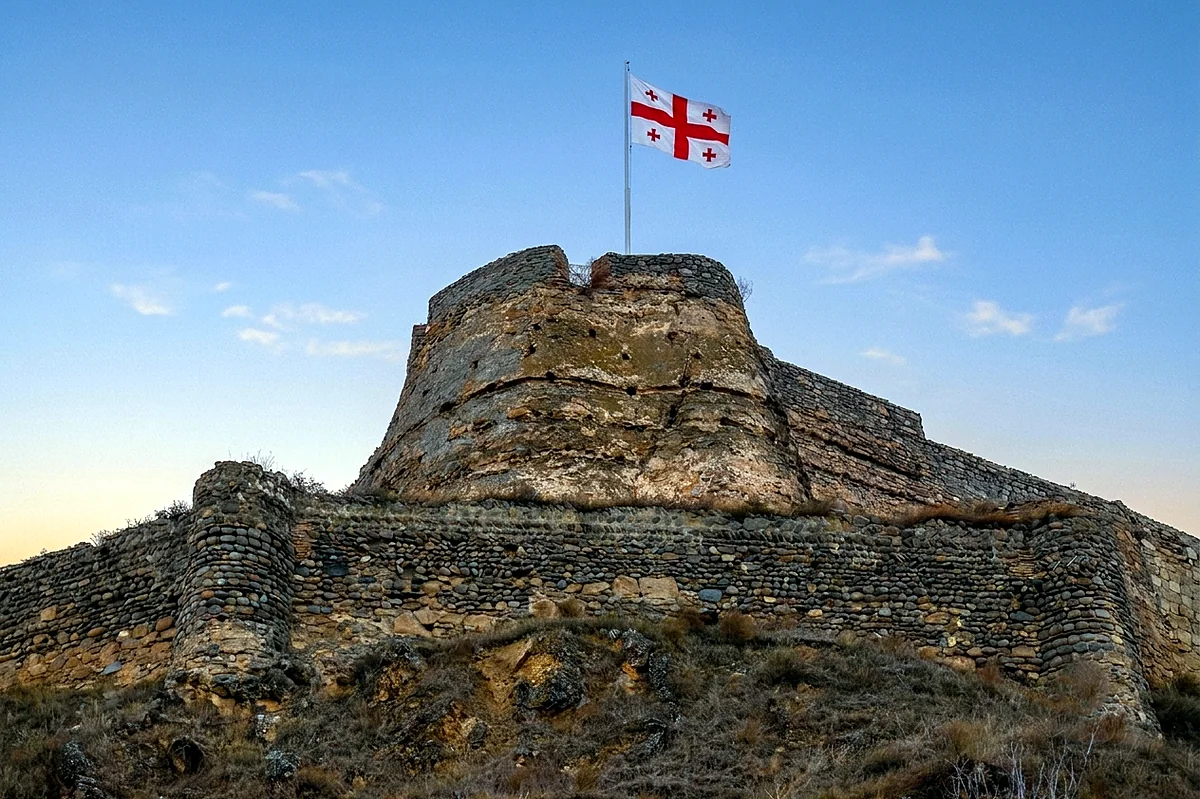
Gori Fortress stands on a hill above the city and is one of its most visible landmarks. The structure is partly ruined — damaged by a 1920 earthquake and never fully rebuilt — but it offers one of the best viewpoints in the area: from the top you can see Gori, the surrounding plains of Shida Kartli, and, on clear days, the distant Greater Caucasus peaks. The fortress dates to the medieval period and served as a defensive structure for centuries. The walk up is relatively easy and worth it for the view alone. The site is unfenced and free, with no facilities.
Visit Uplistsikhe
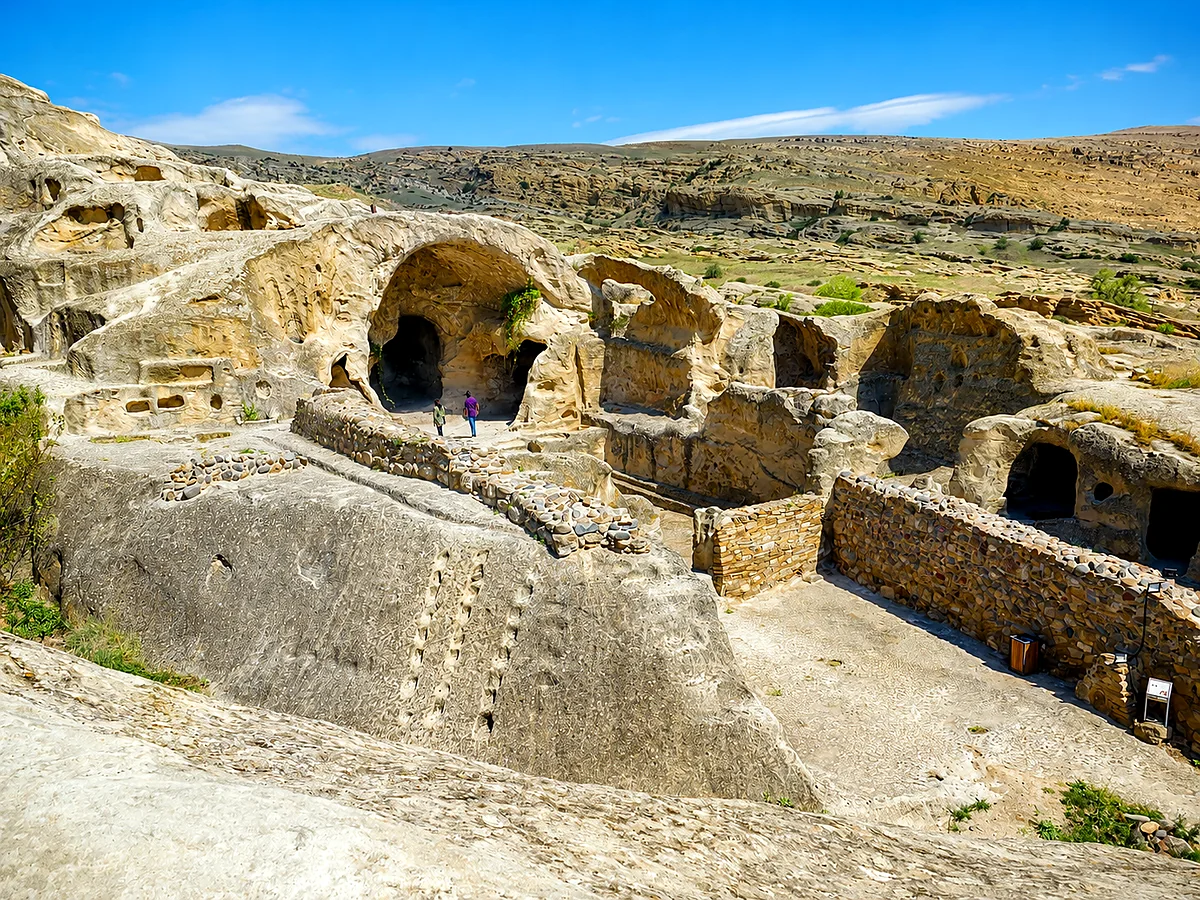
Just 15 kilometers east of Gori, Uplistsikhe is one of the most important archaeological sites in Georgia. This ancient rock-hewn town dates to the early Iron Age and was a major cultural and religious center. Walking through it, you explore caves, tunnels, and open spaces carved directly into the rock — living quarters, storage areas, religious structures, and open courtyards, plus a 9th-century church added after Christianity arrived.
What makes Uplistsikhe distinctive is the combination of natural rock formation and human construction; it's a completely different experience from a traditional city or monastery. Allow one to two hours. The tunnels are dark and narrow in places and the site is exposed and largely shadeless, so wear shoes with grip and, in summer, go in the morning before the sandstone heats up.
Walk through Gori city center
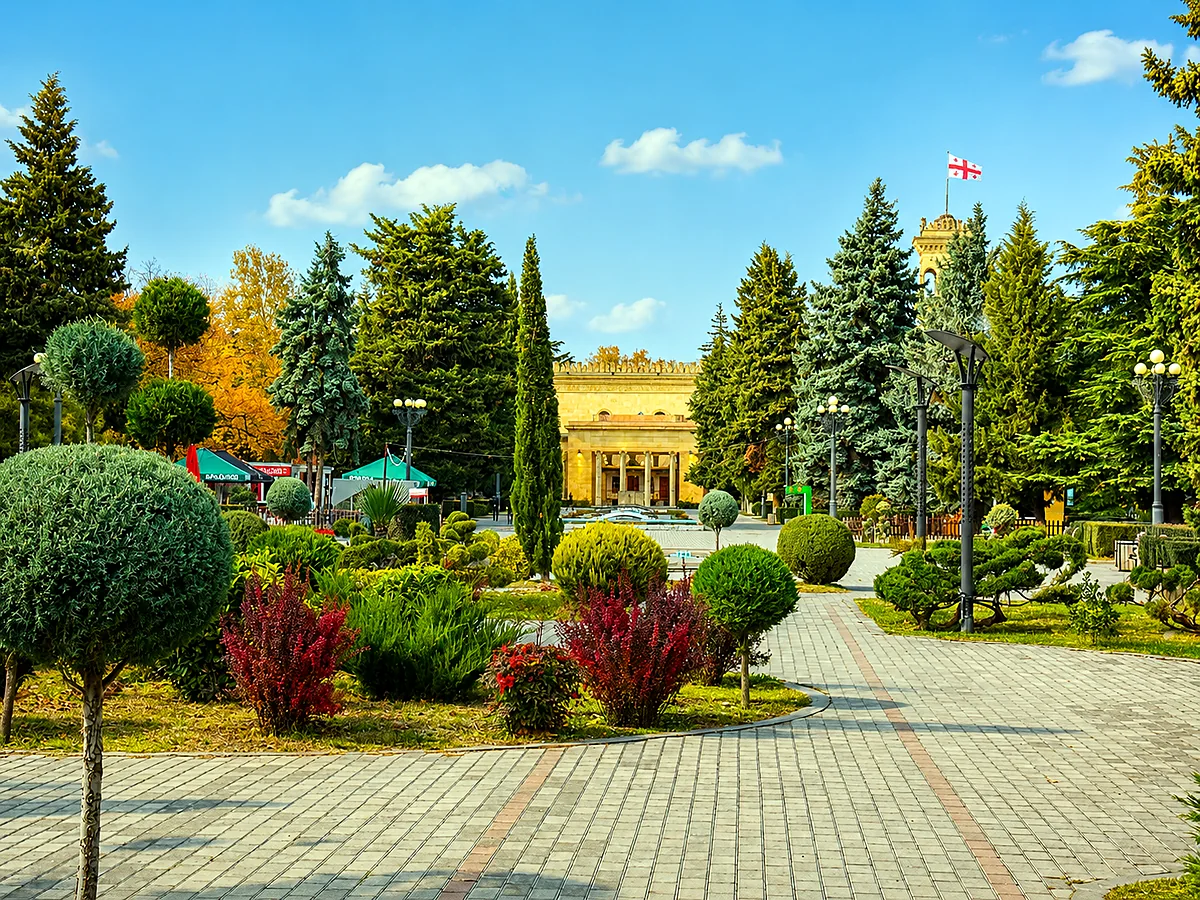
Gori is compact enough to explore on foot. The center has small streets, local shops, and open squares where daily life plays out. Unlike Tbilisi, it feels provincial and far less shaped by tourism, which gives it a direct, unpolished atmosphere. A walk here is a good way to see how modern Georgian life looks outside the capital — low-key rather than a sightseeing circuit.
Visit the Great Patriotic War Museum
For travelers interested in Soviet and military history, the Great Patriotic War Museum adds context beyond the Stalin Museum. It focuses on World War II from the Soviet perspective, with photographs, documents, and military equipment.
Explore the surrounding Shida Kartli region
The region around Gori, Shida Kartli, is characterized by open landscapes, farmland, and small villages. Driving through gives a different impression of Georgia from the mountains or the coast — less dramatic, but more representative of everyday rural life. It's the kind of area worth traveling through slowly rather than just crossing.
Combine Gori with nearby destinations
Gori is easy to combine with other central Georgia destinations, particularly Mtskheta, the ancient capital and UNESCO World Heritage Site, and the Ananuri fortress complex on the way north toward Kazbegi. That makes it a logical stop within a central Georgia itinerary rather than a standalone trip.
Why Gori is worth visiting
Gori offers several historical layers in one place: the ancient rock-hewn city of Uplistsikhe, a medieval fortress, Soviet history and the Stalin heritage, and an authentic regional atmosphere. It's not a large or overwhelming destination, but it provides real depth and variety within a short distance — best for travelers who want history across multiple eras rather than a single marquee sight.
FAQ Voyage dans le Caucase
Yes, but understand what it is. Established in the 1950s, it presents Stalin reverentially and doesn't systematically address the purges, the Gulag, or the deaths under his rule. It's best seen as an artifact of the Soviet cult of personality rather than a balanced account. The birth house and his armored train carriage are on site.
About 15 kilometers east, roughly 15–20 minutes by road. The rock-hewn town dates to the early Iron Age, with caves, tunnels, courtyards, and a 9th-century church. Allow one to two hours, and wear shoes with grip for the dark, narrow tunnels.
Yes. The medieval hilltop fortress is partly ruined but freely accessible, with an easy walk up and one of the best viewpoints in the area over Gori, the Shida Kartli plains, and the distant mountains.