Georgia is not the U.S. state. Let's get that out of the way first. We're talking about the country nestled between Europe and Asia, at the crossroads of the Caucasus Mountains and the Black Sea — a place where 8,000-year-old wine traditions meet Soviet-era architecture, where snow-capped peaks tower over subtropical coastlines, and where a stranger will invite you to a feast just because you looked slightly lost on the street.
This isn't a country you visit. It's a country that happens to you. And once it does, you'll understand why everyone who comes here says the same thing: "I wasn't expecting this."
Whether you're a first-timer nervously googling "Is Georgia safe?" at 2 AM, or a seasoned traveler looking for your next off-the-beaten-path obsession — this guide covers everything you need. No fluff. Just honest, practical advice from people who live and work here every day.
Do You Need a Visa? Probably Not.
Georgia has one of the most liberal visa policies in the world. Citizens of more than 90 countries can enter Georgia visa-free, in most cases for up to one year. Yes, you read that right — one full year, no visa, no fee, no hassle.
Here's who can enter without a visa:
- European Union — all 27 member states
- United States, Canada, Australia, New Zealand
- United Kingdom, Switzerland, Norway, Iceland
- Japan, South Korea, Israel, UAE, Saudi Arabia
- Most of South America — Brazil, Argentina, Chile, Colombia, and more
- Many Central Asian countries — Kazakhstan, Uzbekistan, etc.
If your country isn't on the visa-free list, Georgia offers a straightforward e-Visa system. You can apply online; processing typically takes 5–10 working days, and the state fee is around US$20 plus a small service charge (the portal shows the exact amount).
Official resource: Always check the latest requirements on the Georgian Ministry of Foreign Affairs visa portal before booking your flights. Visa policies can change, and this is the only source you should trust.
Pro tip: Your passport must be valid for the duration of your stay. Georgia doesn't require the typical "6 months validity" rule that many countries enforce. However, some airlines might — so check with your carrier. One newer rule to know: since 1 January 2026 tourists are required to hold travel/health insurance covering their stay, so arrive with a policy.
When Should You Visit? Every Season Has a Reason
Georgia is a year-round destination, but the experience changes dramatically with the seasons:
Spring (April – June) — The Sweet Spot
Wildflowers carpet the valleys, temperatures are perfect (18–25°C / 64–77°F), and the tourist crowds haven't arrived yet. This is the ideal time for hiking, sightseeing, and road trips. Tbilisi buzzes with outdoor café culture, and the countryside is impossibly green.
Summer (July – August) — Mountains and Beach
Tbilisi gets hot — we're talking 35°C+ (95°F+). But the mountains? Absolute perfection. Kazbegi, Svaneti, and Tusheti are at their best. Batumi and the Black Sea coast become a subtropical beach paradise. If you're a hiker, this is your window for the high-altitude trails.
Autumn (September – November) — Wine Harvest Season
This is arguably Georgia's most magical season. The Kakheti wine region explodes with harvest festivals (rtveli). The forests turn gold and crimson. Temperatures cool to comfortable levels. If you're a food and wine lover, late September through October is paradise.
Winter (December – March) — Skiing and Supras
Georgia has excellent ski resorts — Gudauri, Bakuriani, and Mestia — at a fraction of the cost of the Alps. Tbilisi is festive and beautiful in winter, especially during Georgian Orthodox Christmas (January 7). Fewer tourists mean you'll get the most authentic local experiences.
How to Get to Georgia
Georgia has three international airports:
- Tbilisi International Airport (TBS) — The main hub. Direct flights from Istanbul, Dubai, Warsaw, Vienna, Athens, Tel Aviv, Doha, and many more.
- Kutaisi International Airport (KUT) — Budget airlines love this one. Wizz Air operates many routes from across Europe at incredibly low prices.
- Batumi International Airport (BUS) — A smaller airport with a limited route network — mainly Istanbul and Middle Eastern hubs, with more flights in summer.
Budget tip: Flying into Kutaisi with Wizz Air can save you a significant amount. Kutaisi is about 3–4 hours from Tbilisi, and shuttle transfers are affordable and comfortable.
You can also enter Georgia by land from Turkey (Sarpi, Vale), Armenia (Sadakhlo–Bagratashen, Ninotsminda–Bavra) and Azerbaijan (Red Bridge/Tsiteli Khidi). Entering Georgia is straightforward for visa-free nationals. Going the other way into Azerbaijan is not: Azerbaijan's road borders remain closed to ordinary tourist entry (a special regime in force until at least 1 October 2026, and extendable), so plan to fly into Baku — see our border crossings guide for the current position.
Georgian Lari: Currency, Costs, and Budget Tips
The currency is the Georgian Lari (GEL). As of September 2026, 1 EUR ≈ 3.0 GEL and 1 USD ≈ 2.6 GEL — the rate moves, so check it shortly before your trip.
Georgia is still good value, though prices have risen noticeably since the early 2020s. Here is what things actually cost in Tbilisi (regional towns are a little cheaper, peak summer a little dearer):
| Item | Average Cost (GEL) | Approx. EUR |
|---|---|---|
| Simple local meal (café or sasadilo), per person | 15–25 GEL | €5–8 |
| Sit-down restaurant meal with a drink, per person | 30–60 GEL | €10–20 |
| Khinkali (5 dumplings, 1.5–2.5 GEL each) | 8–13 GEL | €3–4 |
| Bottle of good Georgian wine (shop) | 15–30 GEL | €5–10 |
| Coffee | 5–8 GEL | €2–3 |
| Beer at a bar | 6–10 GEL | €2–3 |
| Taxi across Tbilisi (Bolt) | 6–15 GEL | €2–5 |
| Metro or bus ride (90 minutes of transfers) | 1 GEL | €0.35 |
| Airport taxi, Tbilisi airport to centre | 30–50 GEL | €10–17 |
| Hostel dorm bed (night) | 25–45 GEL | €8–15 |
| Budget guesthouse or hotel room (night) | 90–160 GEL | €30–55 |
| Mid-range hotel room (night) | 150–300 GEL | €50–100 |
| Museum entrance | 10–20 GEL (flagship museums and combined tickets up to 40–50 GEL) | €3–7 (up to €17) |
| Narikala cable car / Mtatsminda funicular | 2.5 GEL / 12 GEL | €1 / €4 |
Money tips:
- ATMs are everywhere in Tbilisi and major cities. TBC Bank and Bank of Georgia ATMs are the most reliable.
- Credit cards are widely accepted in Tbilisi, Batumi, and tourist areas. Carry cash for rural areas and markets.
- Exchange money at banks or official exchange offices — never on the street.
- The best exchange rates are usually in Tbilisi. Don't exchange at the airport — the rates are terrible.
Top Destinations You Absolutely Cannot Miss
Tbilisi — The Capital That Defies Expectations
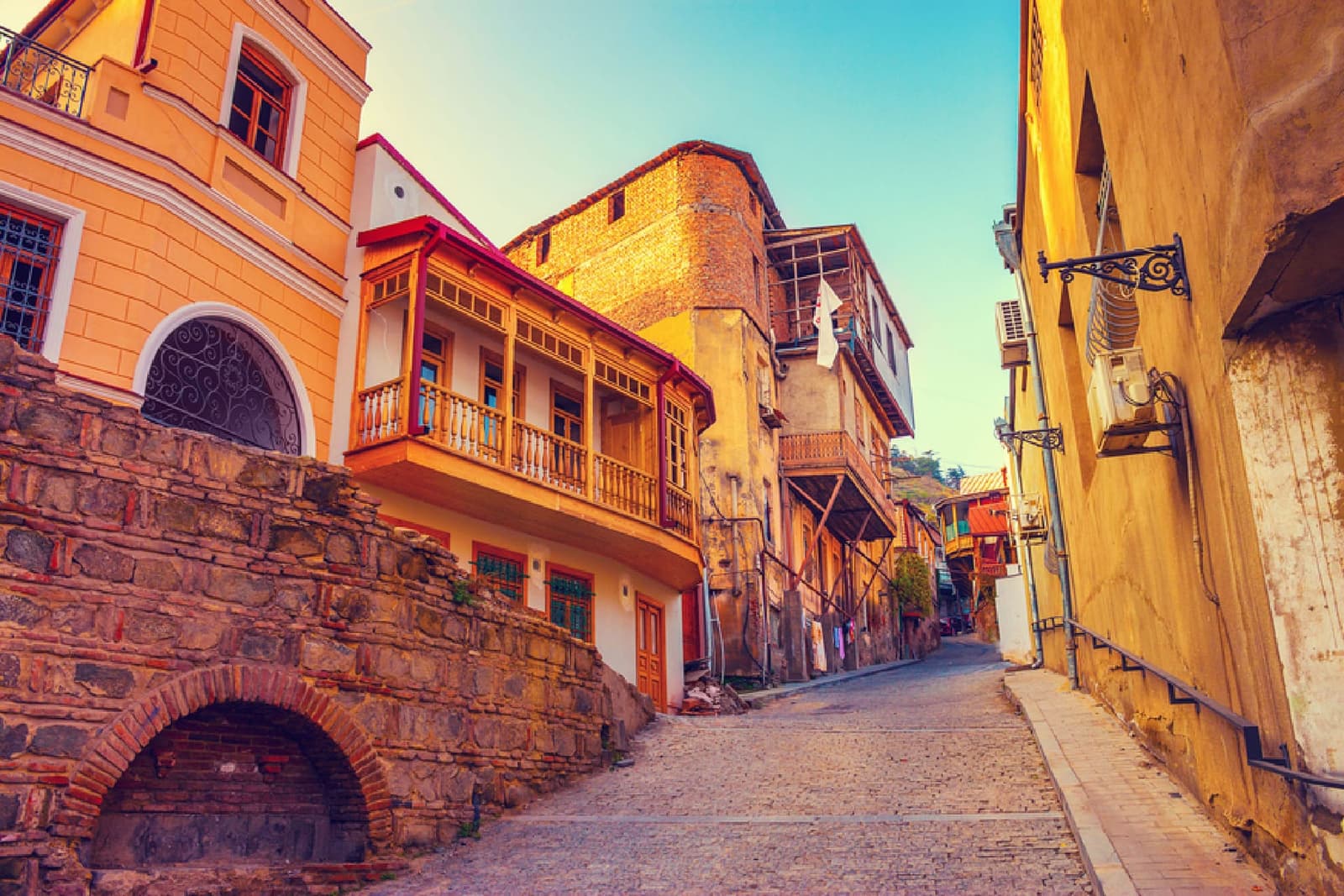
Tbilisi is not just a city — it's a character. Pastel-colored houses lean over narrow streets in the Old Town. The Narikala Fortress watches over the Mtkvari River. Sulfur baths steam in the Abanotubani district (bring your bathing suit — it's a must-do experience). The Dry Bridge flea market sells everything from Soviet memorabilia to hand-painted icons.
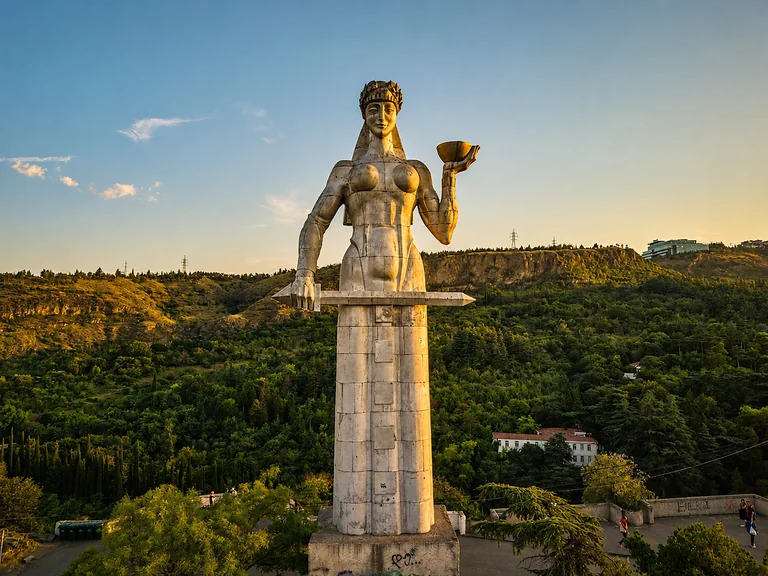
Don't miss: Fabrika (a converted Soviet factory turned creative hub), Leghvtakhevi waterfall (yes, there's a waterfall in the middle of the city), and the Chronicles of Georgia monument — a towering, surreal hilltop sculpture that almost nobody talks about but absolutely should.
Kazbegi (Stepantsminda) — The Iconic Mountain View
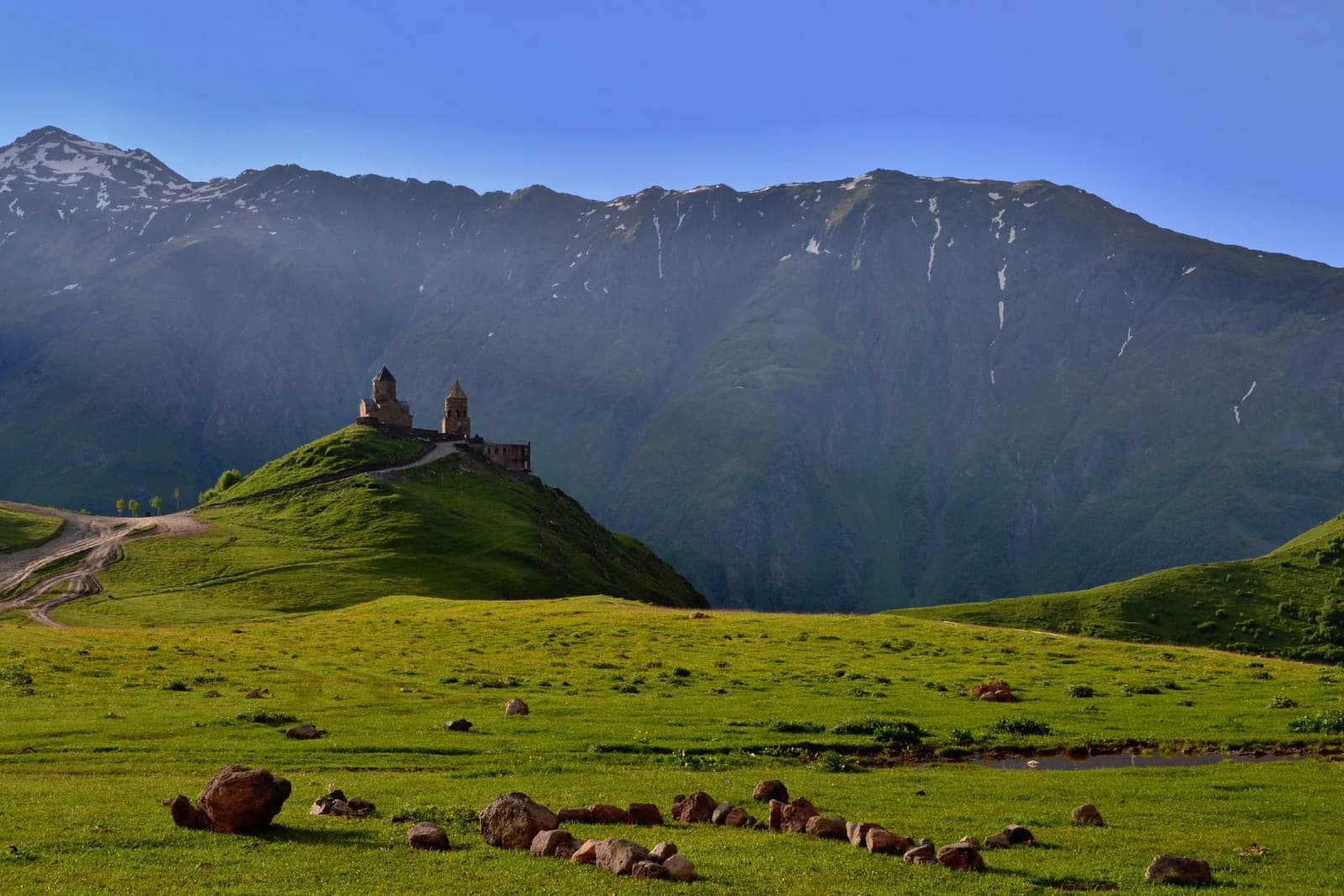
The Gergeti Trinity Church, perched at 2,170 meters with Mount Kazbek (5,054m) towering behind it, is the most photographed spot in Georgia — and it earns every pixel. The drive from Tbilisi along the Georgian Military Highway is spectacular, passing through the Jvari Pass at 2,395 meters.
The hike to the church takes about 1.5 hours, or you can take a 4x4. Either way, the view will ruin you for other mountain views forever.
Svaneti — Medieval Towers and Epic Trails
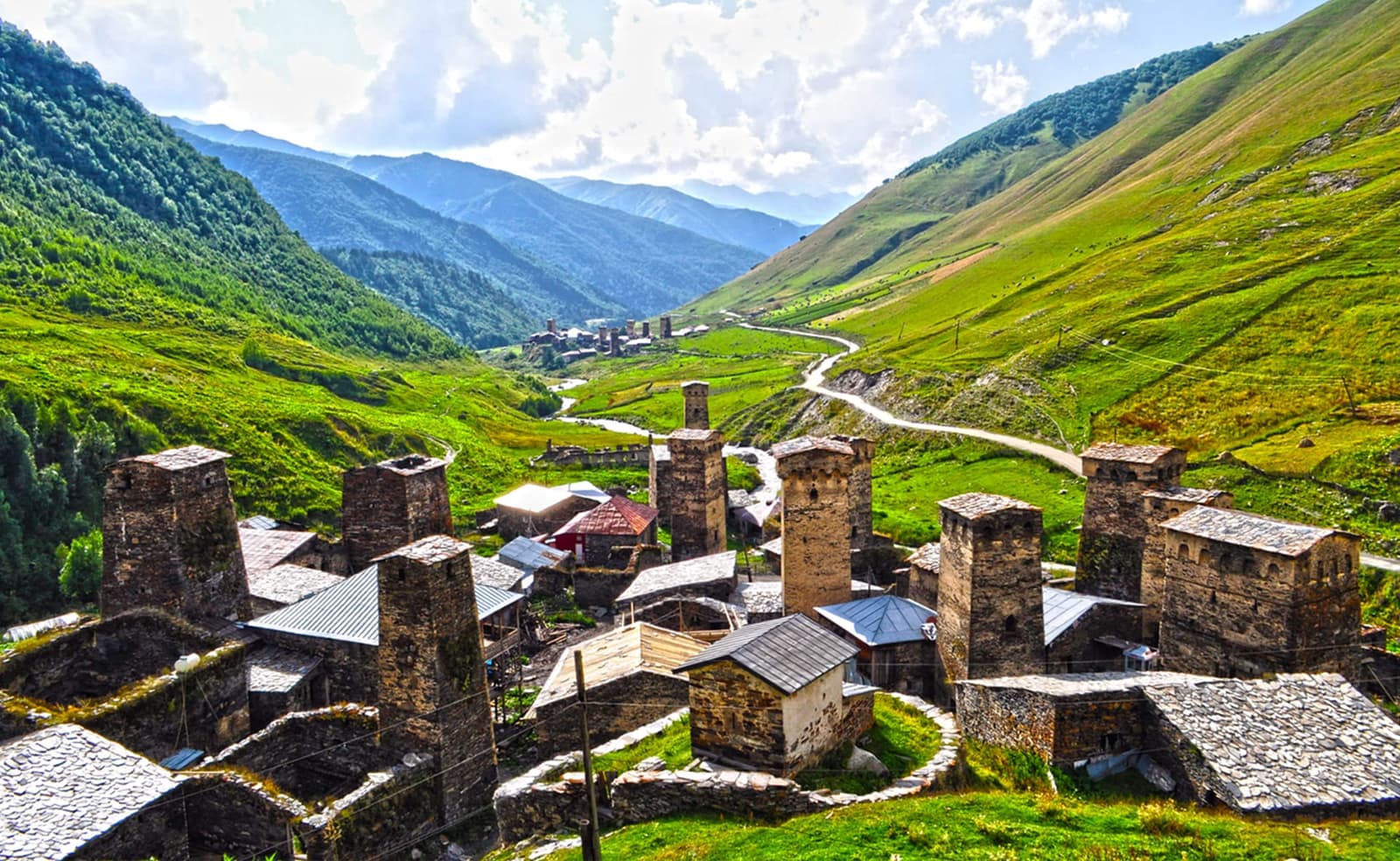
Svaneti feels like stepping into a medieval painting. The iconic stone defense towers define both Mestia and Ushguli, one of the highest permanently inhabited villages in Europe; it is Ushguli's Chazhashi village that forms the UNESCO World Heritage site of Upper Svaneti. This is Georgia's premier trekking destination — the 4-day hike from Mestia to Ushguli is legendary.
Kakheti — Where Wine Was Born
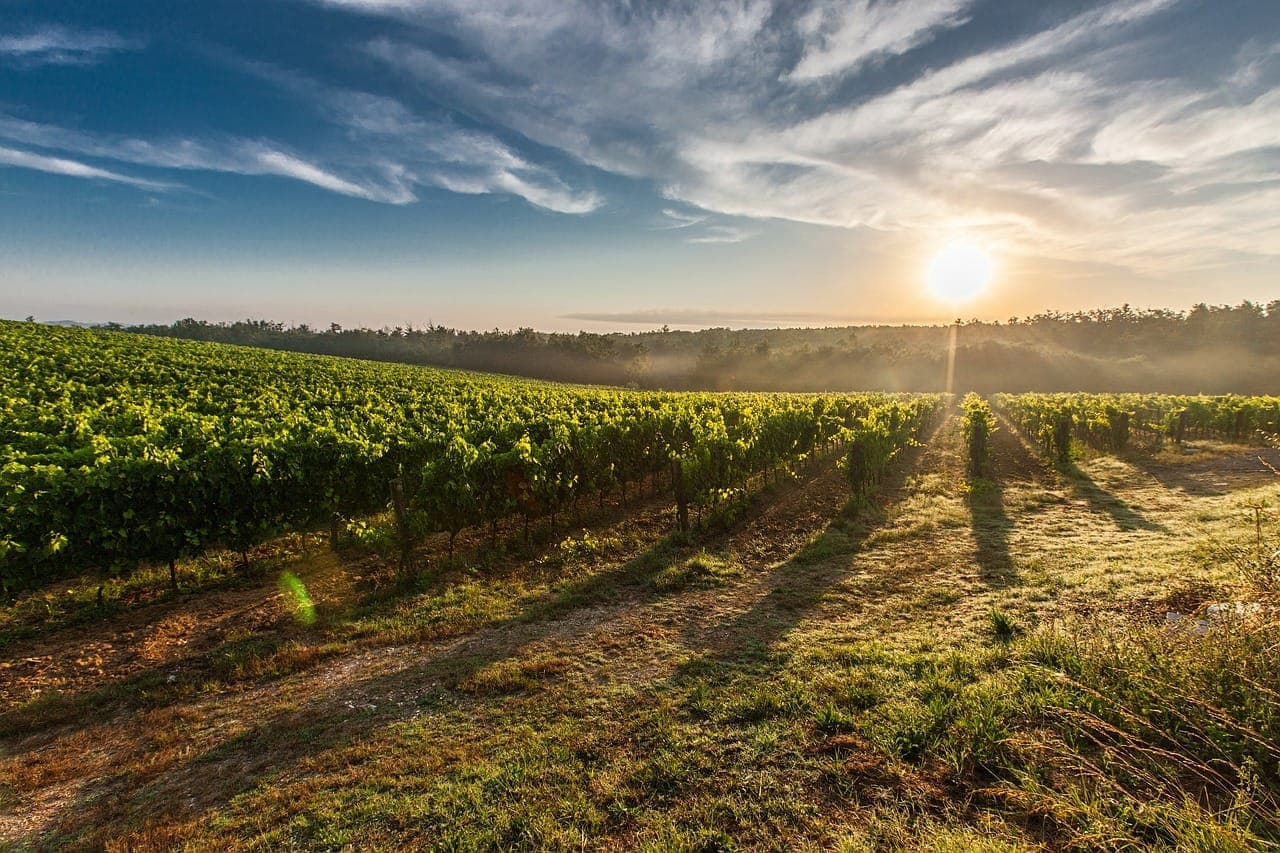
Kakheti is the heart of Georgian wine country. The Alazani Valley is framed by the Greater Caucasus mountains and dotted with vineyards, monasteries, and family-run wineries. Visit Sighnaghi (the "City of Love"), explore the Alaverdi Monastery (where monks still make wine in qvevri, the buried clay vessels of a method that goes back some 8,000 years), and taste your way through the region.
Batumi — Black Sea Glamour
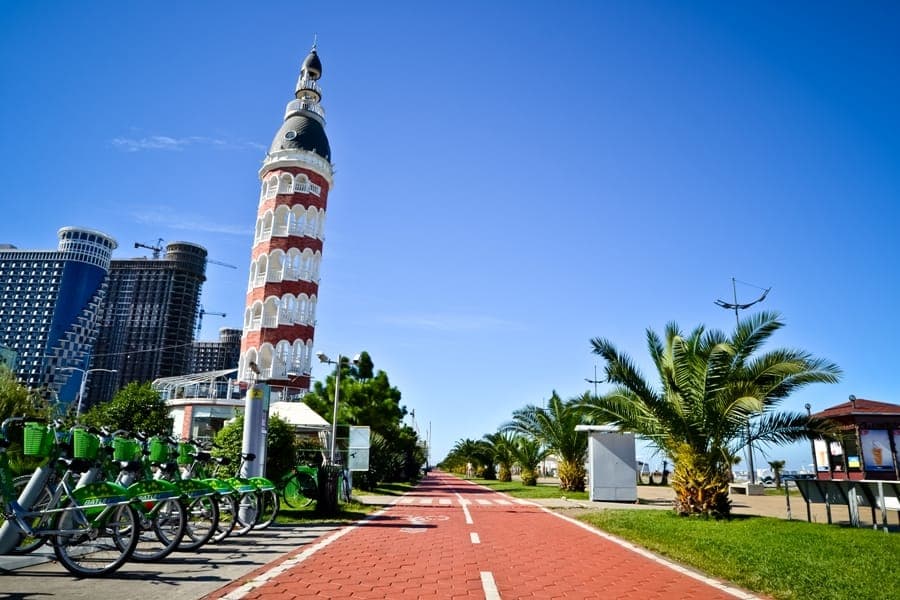
Georgia's second city is a subtropical beach resort on the Black Sea. Think palm trees, a stunning boulevard, modern architecture (the Alphabet Tower, anyone?), and a lively nightlife scene. It's also the gateway to the stunning Adjara highlands.
Vardzia — A City Carved into a Cliff
This 12th-century cave monastery in southern Georgia was once home to 2,000 monks. Carved into the face of Erusheti Mountain, it extends over 13 levels with 6,000 chambers. The frescoes inside the Church of the Assumption are breathtaking.
Georgian Cuisine: Get Ready to Eat Everything
Georgian food is reason enough to visit. It's one of the world's great undiscovered cuisines — rich, diverse, and built around fresh ingredients, herbs, walnuts, and cheese. A lot of cheese.
Must-Try Dishes
- Khachapuri — Georgia's beloved cheese bread. The Adjarian version comes boat-shaped with a molten cheese filling, butter, and a raw egg on top. It's as spectacular as it sounds.
- Khinkali — Georgian soup dumplings. They're filled with spiced meat (or mushrooms, cheese, or potato) and contain a pocket of hot broth inside. The correct technique: hold by the top knot, bite a small hole, sip the juice, then eat. You never eat the top knot — it's your dumpling counter.
- Mtsvadi — Georgian barbecue. Chunks of pork or beef grilled over vine wood, often soaked in pomegranate juice. Eat it at a roadside restaurant overlooking a valley for the full experience.
- Lobio — A hearty bean stew served in a clay pot, often with cornbread (mchadi). Simple, filling, and packed with flavor.
- Pkhali — Vegetable patties (spinach, beetroot, or cabbage) mixed with ground walnuts, garlic, and herbs. A perfect snack or starter.
- Churchkhela — The "Georgian Snickers." Walnuts or hazelnuts threaded on a string and dipped repeatedly in concentrated grape juice until coated. Hang to dry. The result is a chewy, sweet, protein-packed snack you'll find in every market.
- Elarji — Think of it as Georgia's answer to fondue. Cornmeal and cheese melted together into a stretchy, gooey, utterly addictive side dish.
Budget eating tip: Look for a sasadilo (cafeteria-style restaurant). Locals eat here daily — you'll get a full meal (soup, main dish, bread, salad) for about 12–20 GEL (€4–7). Don't judge by the décor. Judge by how full the place is at lunchtime.
Wine Culture: 8,000 Years and Still Pouring
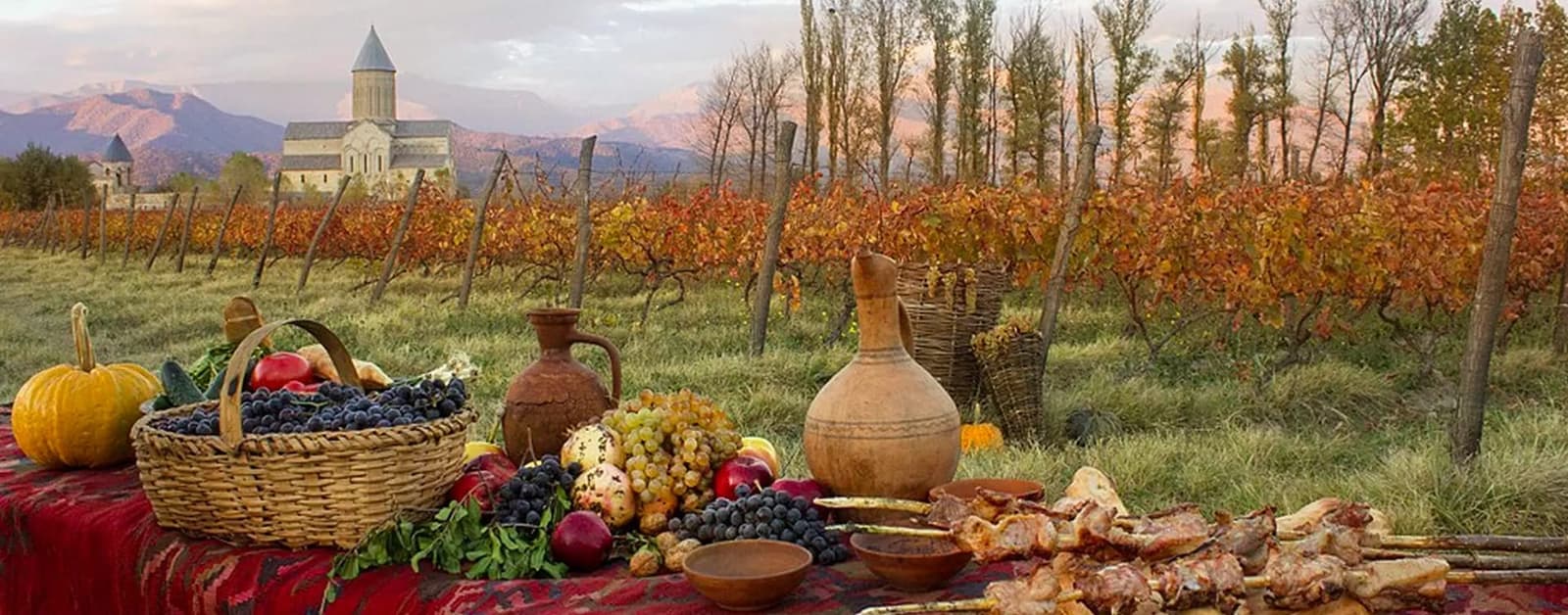
Georgia holds the oldest archaeological evidence of winemaking found anywhere so far: residues of grape wine in clay jars from Neolithic villages south of Tbilisi, dated to around 6000 BC — about 8,000 years ago. Wine isn't just a drink here — it's identity, religion, and family tradition rolled into one.
The traditional Georgian winemaking method uses qvevri — large clay vessels buried underground. Crushed grapes (skins, stems, and all) ferment naturally in these vessels for months. The result is amber wine (sometimes called "orange wine") with a complexity and depth that's utterly unique.
This method was recognized by UNESCO as Intangible Cultural Heritage of Humanity.
Key grape varieties to try:
- Saperavi — Georgia's flagship red. Deep, dark, and full-bodied.
- Rkatsiteli — The most planted white grape. Crisp when made European-style, amber and complex when made in qvevri.
- Mtsvane — An aromatic white with floral notes.
- Kisi — A rare white that makes exceptional amber wine.
Pro tip: Visit a family winery in Kakheti. Many families have been making wine for generations and will host you for a tasting (and probably a feast) for little or nothing. It's one of the most authentic experiences Georgia offers.
Getting Around Georgia
Georgia is compact — you can reach most destinations from Tbilisi in 2–6 hours. Here are your options:
Marshrutkas (Minibuses)
The backbone of Georgian public transport. These minibuses connect every city and town. They're cheap (Tbilisi to Batumi costs roughly 25–40 GEL / €8–13, close to a second-class train seat), but comfort levels vary. They leave when full, not on a schedule.
Trains
Georgian Railways operates routes between Tbilisi, Batumi, Zugdidi, and other cities. The Tbilisi–Batumi night train is a classic experience, and the modern day trains take around five hours. Trains are comfortable and affordable — a second-class Tbilisi–Batumi seat starts around 35 GEL — and tickets are sold online at tkt.ge; sleeper berths sell out days ahead in summer.
Bolt (Ride-Hailing App)
Bolt works throughout Tbilisi and Batumi. Rides are very affordable — a 20-minute ride across Tbilisi typically costs 8–15 GEL (€3–5), more at night and in bad weather. Yandex Go also operates in Tbilisi. It's safer and more reliable than hailing random taxis.
Private Transfers and Shuttles
For longer distances or groups, private shuttles are the most comfortable way to travel. Many tour operators offer fixed-route transfers between major destinations at reasonable prices, with door-to-door pickup.
Rental Cars
Driving in Georgia is an adventure — roads outside major cities can be challenging, and Georgian driving style is... creative. That said, a rental car gives you unmatched freedom, especially for remote areas like Tusheti or the Javakheti Plateau. Most rental companies accept a licence printed in Latin script; if yours is in another script you will need an International Driving Permit, and carrying one is a sensible backup in any case.
Is Georgia Safe? Generally, Yes.
Georgia is generally regarded as a low-crime destination, and visitors overwhelmingly report feeling safe. Violent crime against tourists is rare. Tbilisi is safe to walk at night, even in the Old Town. Petty theft exists (as in any tourist destination), but it's minimal.
A few practical safety notes:
- Driving is the main risk — Georgian drivers can be aggressive. Be extra cautious as a pedestrian.
- Mountain weather changes fast — Always check conditions before hiking and carry proper gear.
- Don't travel to the occupied territories of South Ossetia or Abkhazia. These regions are not under Georgian government control and entry from the Georgian side is restricted.
- Georgia has a dedicated Tourist Police force that speaks English. If you need help, call the universal emergency number 112.
Practical Tips You'll Actually Need
SIM Cards and Internet
Buy a local SIM card at the airport or any mobile shop. The three carriers are Magti, Silknet (formerly Geocell), and Cellfie (formerly Beeline). Tourist packages start at about 15 GEL (€5) for a few gigabytes and run to roughly 25–30 GEL (€8–10) for 30 GB; eSIMs are also available. Coverage is excellent in cities and along main roads. Remote mountain areas may have spotty coverage.
Electricity
Georgia uses European-style Type C and F plugs (two round pins) at 220V / 50Hz. If you're coming from the US, UK, or Australia, bring an adapter.
Tap Water
Tap water in Tbilisi and most cities is safe to drink. In rural areas, bottled water is cheap and widely available. Mountain spring water is some of the purest you'll ever taste.
Language
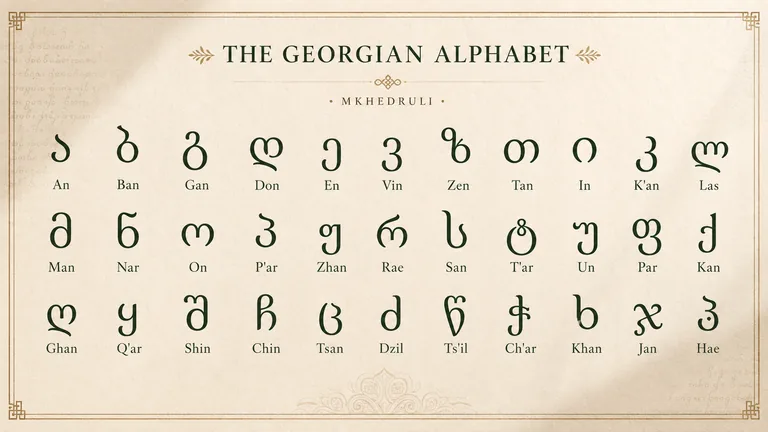
Georgian (Kartuli) has its own unique alphabet — one of the world's few independent writing systems still in daily use. Don't worry about learning it. English is widely spoken in Tbilisi, tourist areas, and by younger Georgians. Russian is understood by most people over 30. Learn a few Georgian words and you'll win hearts:
- Gamarjoba (გამარჯობა) — Hello
- Madloba (მადლობა) — Thank you
- Gaumarjos (გაუმარჯოს) — Cheers! (You'll use this one a lot.)
Tipping
Tipping is not mandatory but appreciated. In restaurants, 10% is generous. For tours and drivers, tip based on the quality of service. Nobody will be offended if you don't tip — but they'll definitely remember if you do.
Cultural Tips: The Georgian Supra
If you're lucky enough to be invited to a supra (Georgian feast), say yes immediately. This is the cornerstone of Georgian hospitality — a long table laden with food, an endless flow of wine, and heartfelt toasts led by a tamada (toastmaster).
The toasts follow a specific order — to God, to Georgia, to the deceased, to the family, to the guest. When the tamada makes a toast, you drink. When they say "allaverdi" (they pass the toast to you), you speak from the heart and drink again.
A few etiquette tips:
- Never sip your wine during a toast — finish the glass (or at least take a substantial drink).
- Pace yourself. A supra can last hours, and the wine keeps flowing.
- Compliment the food. Georgians take enormous pride in their cooking.
- When visiting churches and monasteries, dress modestly — women should cover their heads and shoulders, men should wear long pants.
Essential Apps and Resources
- Bolt — Ride-hailing (essential for Tbilisi and Batumi)
- Google Maps — Works well for navigation, including public transport
- Maps.me — Offline maps, crucial for remote mountain areas
- Google Translate — Download the Georgian language pack offline
- Wolt / Glovo / Bolt Food — Food delivery apps (for lazy hotel evenings)
- tkt.ge — Train (and intercity bus) tickets
How Much Should You Budget?
Georgia is still good value by Western European standards. The figures below are rough daily budgets per person, assuming two people sharing a room, and they include accommodation, meals, local and intercity transport and paid sights — but not international flights:
| Travel Style | Daily Budget (EUR) | Description |
|---|---|---|
| Backpacker | €30–45 | Hostel dorms, sasadilo meals and street food, marshrutkas, mostly free sights |
| Mid-Range | €65–110 | Guesthouses and 3-star hotels, restaurant meals, some taxis and a guided day tour or two |
| Comfortable | €130–220 | 4-star hotels, wine tastings, private transfers, good restaurants |
| Luxury | €250+ | 5-star hotels, private guides, premium experiences |
On those figures, a 10-day mid-range trip for a couple comes to roughly €1,500–2,200 in total for the two of you — accommodation, meals, domestic transport and activities included, international flights not. Solo travellers pay more per head, because the room is not shared. It is no longer the bargain it was a few years ago, but it is still considerably less than the same trip in Western Europe.
Final Words: Just Go.
Georgia is one of those rare destinations that over-delivers on every front. The scenery is dramatic, the food is extraordinary, the wine is ancient and wonderful, and the people are so warm it borders on absurd. You'll arrive as a tourist and leave feeling like you have a second home.
The country is still under the radar enough that you won't be fighting crowds at the best viewpoints, but popular enough that the infrastructure is solid and the prices are fair. This window won't last forever — Georgia's tourism is growing fast.
Our advice? Go now. Go this year. And when you get there, say yes to everything — the unexpected toast, the random road trip invitation, the mystery dish on the menu. Georgia rewards the curious.
Need help planning your Georgia trip? We organize private and group tours, airport shuttles, and custom itineraries — everything designed by locals who know this country inside and out.