
Things to Do in Kakheti: Wine Tasting, the Monasteries, and the Rtveli Harvest
Kakheti, in eastern Georgia — the country in the South Caucasus — is the heart of the country's wine culture and one of its most rewarding regions to explore. Often called the cradle of wine, it combines wine tasting, family wineries, traditional food, and historic towns, all within relatively short distances. The experience here isn't about rushing between attractions; it's about moving from one setting to another — a vineyard, a small town, a monastery, a family table — each adding a different layer. Here are the things most worth doing.
What are the best things to do in Kakheti?
The headline experience is wine tasting, ideally in small family wineries and at qvevri cellars, with the autumn Rtveli harvest the peak time to visit. Beyond wine: explore the ridgetop town of Sighnaghi and the regional hub of Telavi; visit the Bodbe and Alaverdi monasteries; share a traditional supra feast; and drive the vineyard-lined Alazani valley. It's a region best given a couple of days at an unhurried pace.
Taste wine in family wineries
Wine tasting is the main activity in Kakheti and one of the most rewarding experiences in Georgia. Many wineries are family-run, which gives a different atmosphere from larger commercial wine regions: tastings often happen in small cellars or courtyards, with the owners explaining how the wine is made and sharing their own stories. A typical tasting includes several local wines, an explanation of the traditional qvevri method, and homemade dishes prepared on-site. The effect is personal, informal, and closely tied to local life — and for many visitors it's the single best thing they do in Georgia. These smaller producers usually need an introduction (through a guesthouse, a local contact, or a tour) rather than a walk-in, since most don't have formal visitor facilities.
See a qvevri cellar
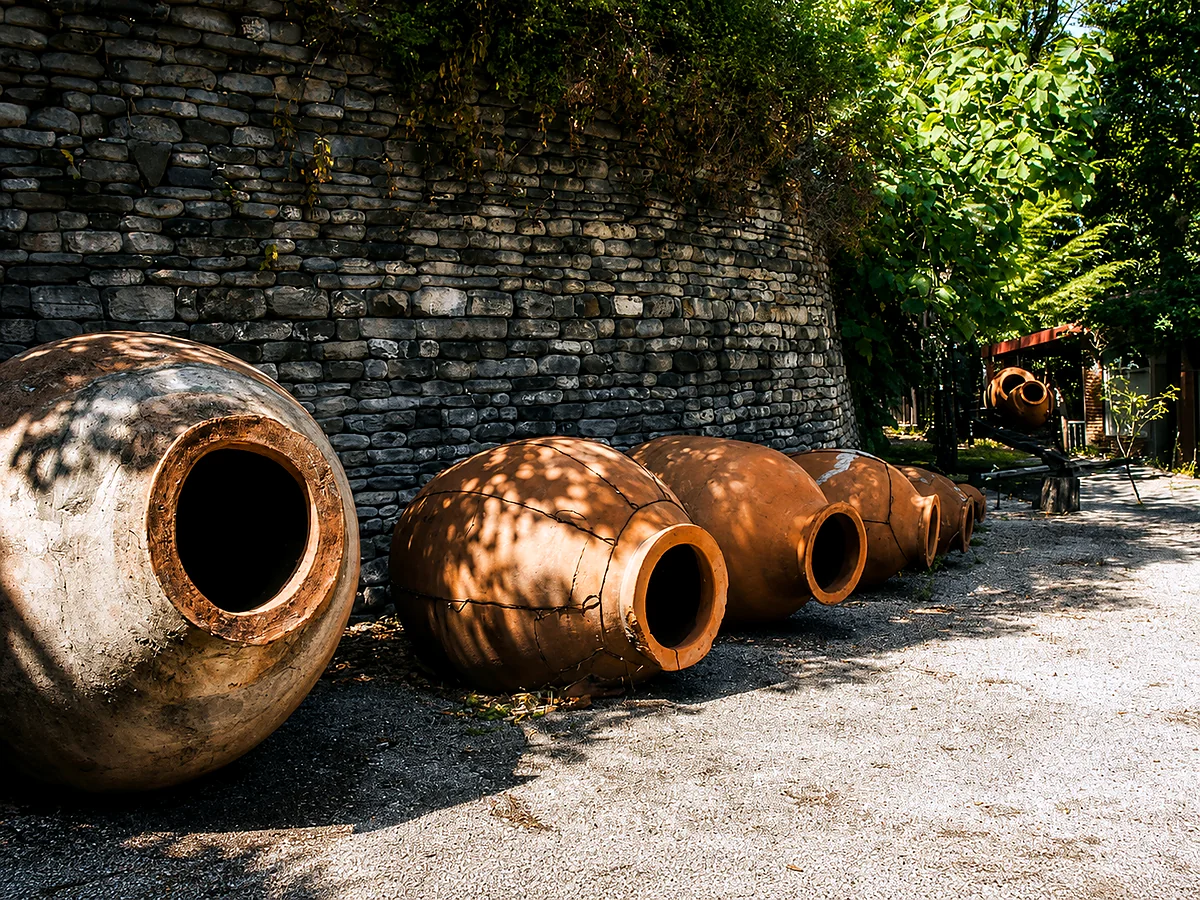
Part of what makes Kakheti's wine meaningful is understanding how it's made. The traditional Georgian method uses large clay vessels called qvevri, buried underground, in which the wine ferments and ages — a process used for thousands of years and still widely practiced. Visiting a working cellar lets you see the buried qvevri, the production and storage methods, and how the tradition is maintained today; it adds real depth to a tasting and connects the wine in your glass to a continuous history. Most family-winery visits include this, and a qvevri-opening — where the sealed vessel is unsealed and the wine drawn out — is a memorable thing to witness if the timing works.
Visit the larger wine estates
Alongside the family cellars, Kakheti has several larger, more organized estates that offer a structured, accessible complement — useful if you want a guided, walk-in-friendly experience. Two of the best known are near Kvareli and Tsinandali. The Kvareli Wine Cave, operated by Winery Khareba, is a striking one: a 7.7-kilometer network of tunnels carved into the Caucasus foothills (originally built in the 1950s as a military facility), where wine ages at a naturally constant 12–14°C year-round. A guided walk through the cool tunnels, followed by a tasting, gives a very different perspective from a small surface cellar. Near Tsinandali, Shumi Winery pairs tastings with a wine museum and a vineyard collection of indigenous grape varieties, making it a more educational stop on the broader history of Georgian wine. Estates like these work well combined with one or two family wineries for contrast.
Explore Sighnaghi
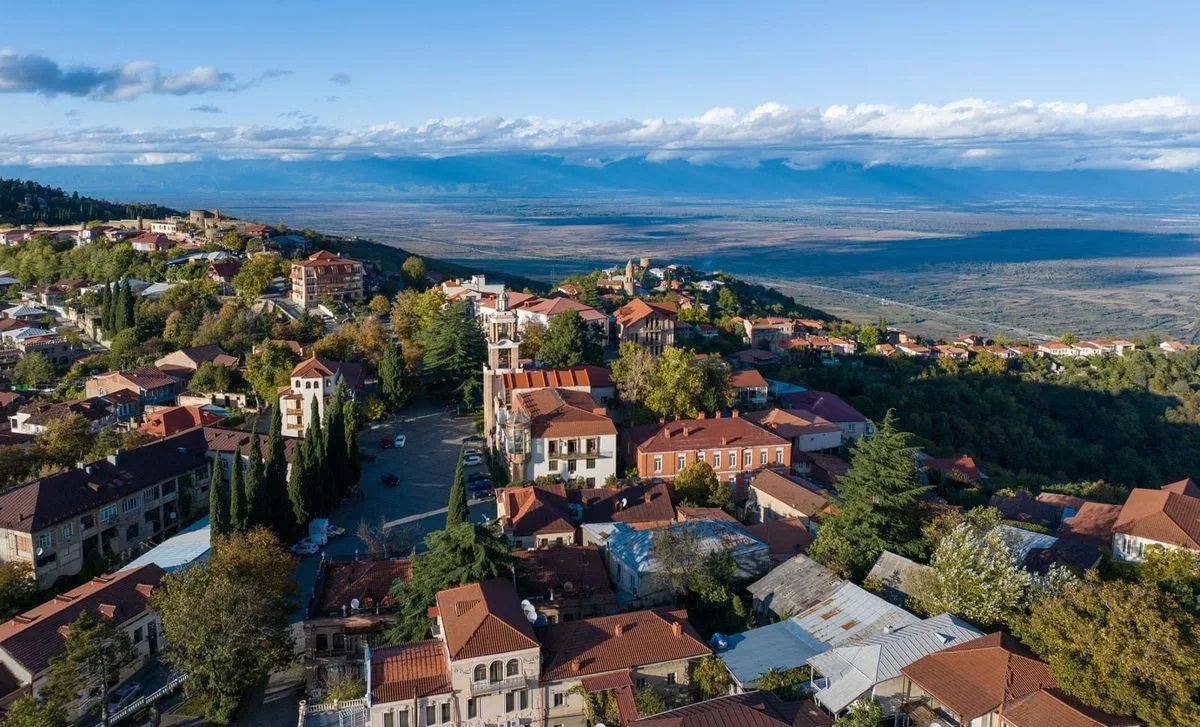
Sighnaghi, sometimes called the “City of Love,” is one of the most visited towns in Kakheti and the most visually distinctive, perched on a ridge above the western Alazani valley. It's known for its restored old town, its 18th-century city walls and towers (among the longest defensive walls in the country), and sweeping views over the valley toward the Caucasus. Walking Sighnaghi is a relaxed pleasure — small streets, wooden balconies, and viewpoints throughout — and it makes a popular base or day trip in its own right. (Sighnaghi has its own detailed guide in this series.)
Visit Telavi
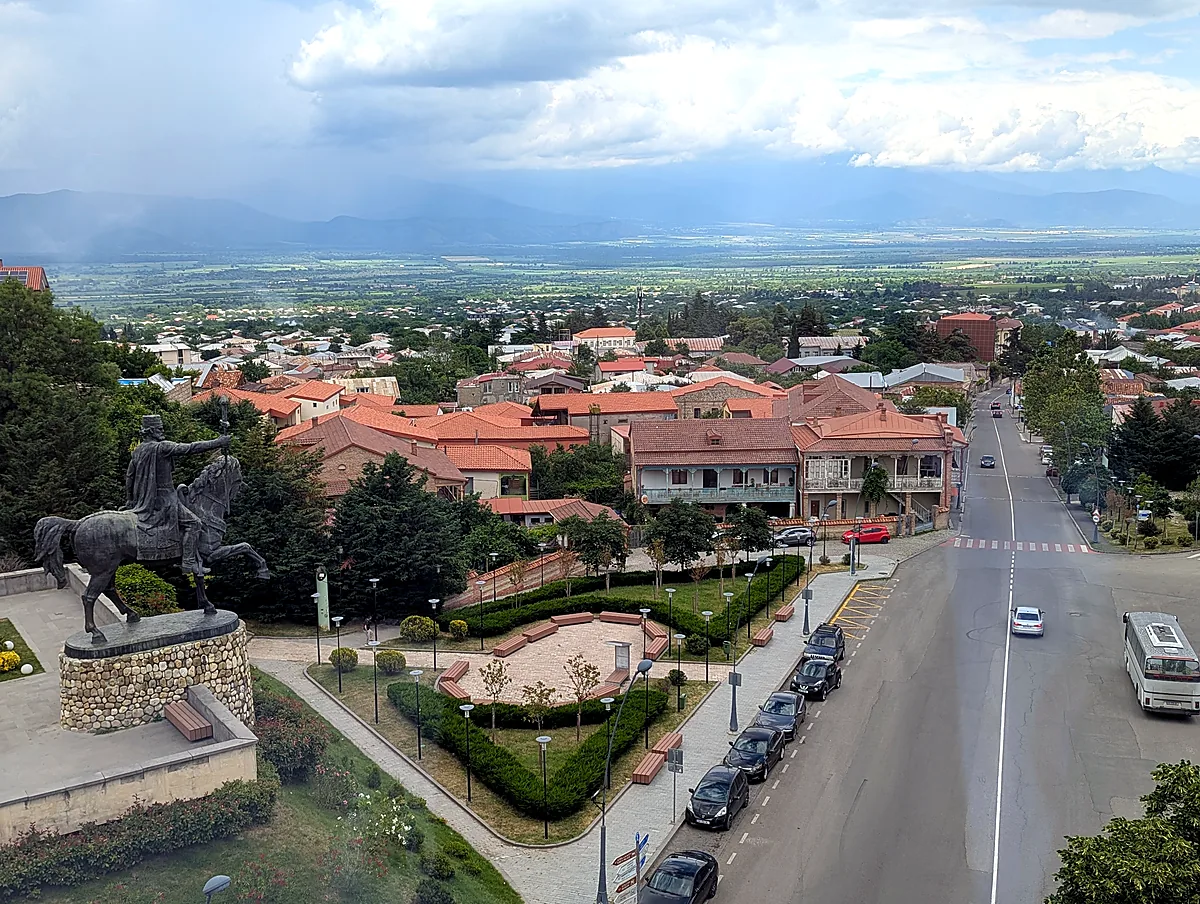
Telavi, the administrative center of Kakheti, is the practical base for exploring the region and has a more everyday, lived-in feel than Sighnaghi. It offers a local atmosphere, markets and small shops, and genuine historical character — the city is closely associated with King Erekle II, the 18th-century Kakhetian and Georgian king, and centered on the Batonis Tsikhe fortress that was the royal residence. Compared with the more curated Sighnaghi, Telavi feels more connected to daily life, and its range of accommodation and restaurants makes it the natural hub for the valley. (Telavi has its own detailed guide in this series.)
Visit Bodbe Monastery
Bodbe, just below Sighnaghi, is one of the most important religious sites in Kakheti — the burial place of St. Nino, who brought Christianity to Georgia in the 4th century, and a major pilgrimage destination. The convent sits in a quiet, well-kept setting with views over the Alazani valley, which makes it both a significant cultural stop and a scenic one. As an active religious site, modest dress is required (covered shoulders and legs, a headscarf for women).
Visit Alaverdi Cathedral
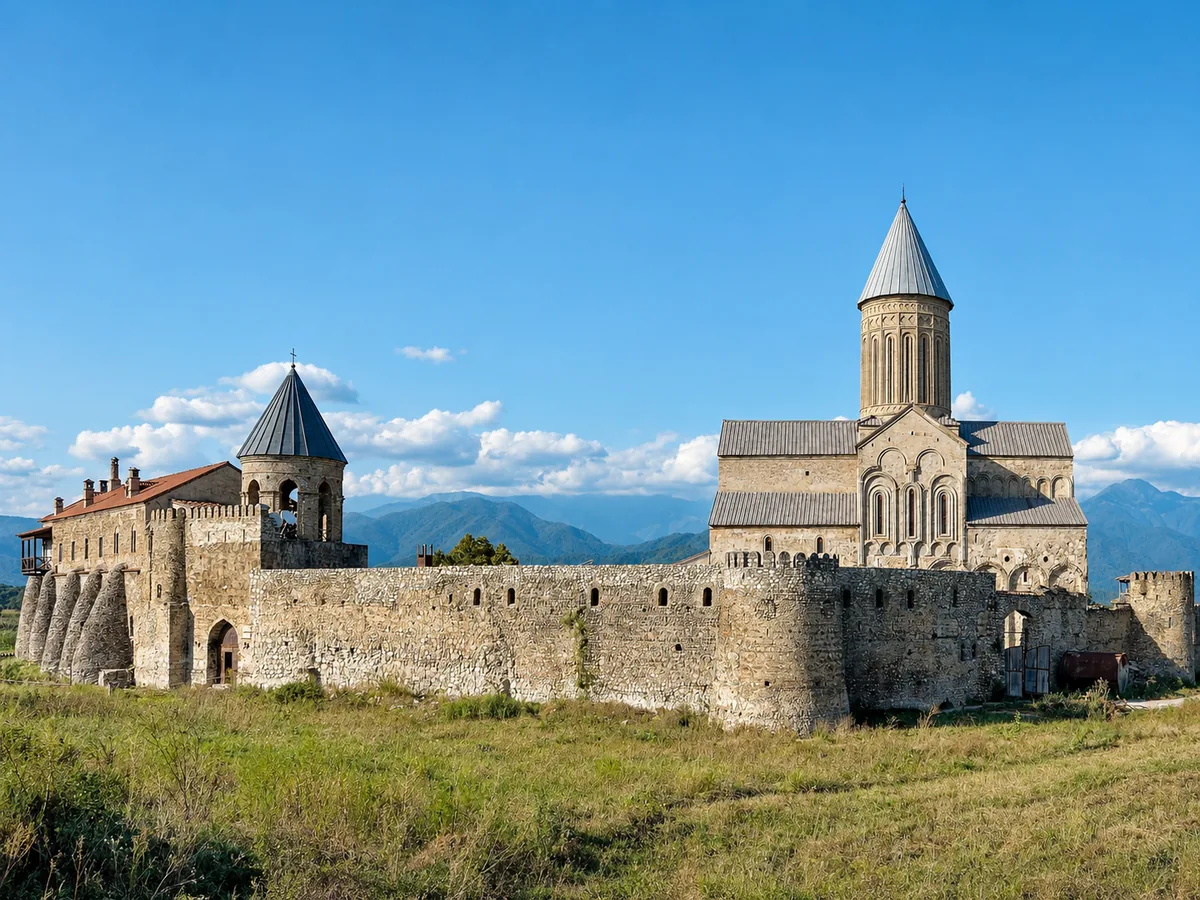
Alaverdi, rising from the flat valley floor about 20 kilometers east of Telavi, connects religion and wine culture directly: it's one of the tallest medieval religious buildings in Georgia, an 11th-century cathedral visible across the vineyards from a distance, and its monastic community continues traditional winemaking within the grounds. That combination — a towering medieval church, an active monastery, and a working monastic vineyard — gives the site a completeness that purely architectural monuments lack. As with Bodbe, it's an active site, so modest dress applies.
Experience the supra and Kakhetian food
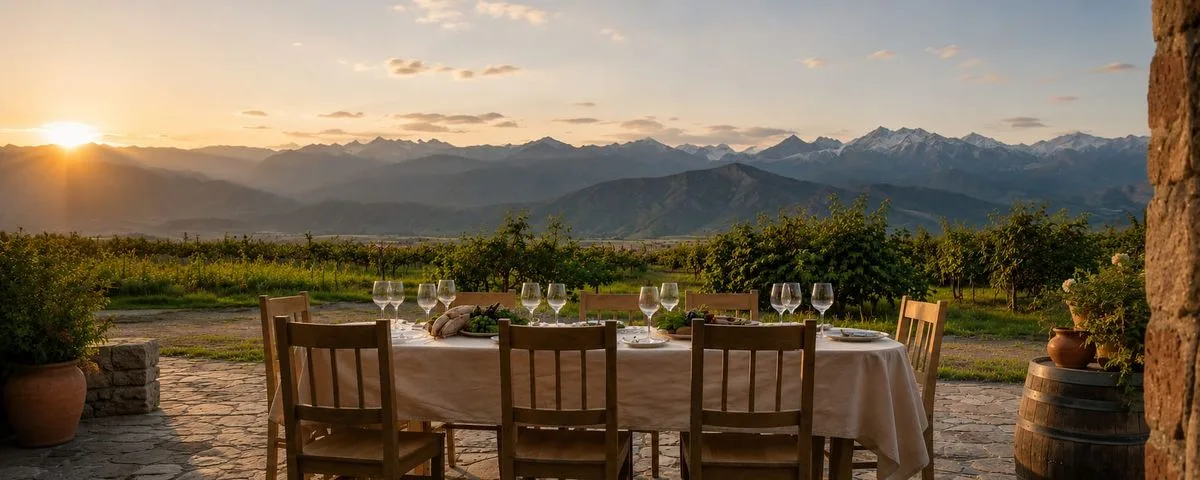
Food is inseparable from a visit to Kakheti, and the fullest way to experience it is the supra — the traditional Georgian feast where many dishes are shared and a tamada (toastmaster) leads the table through a sequence of toasts, all accompanied by the region's wine. A Kakhetian supra leans on excellent local ingredients: the elongated shotis puri bread, fresh local cheese, and mtsvadi (meat grilled over vine cuttings). Shared at a family winery with the qvevri underfoot and vineyards outside, it ties the ritual of the feast to the reality of how the wine and food are made — one of the warmest experiences in the country.
Take part in the Rtveli (harvest)
If you visit in September or October, you can experience the Rtveli, the grape harvest — the most active and atmospheric period in Kakheti. Grapes are picked, the new wine begins fermenting, and many guesthouses and estates let visitors take part: picking in the vineyard, carrying the harvest to the cellar, watching the juice run into the qvevri. It adds a genuine hands-on element and gives a deeper understanding of winemaking than any tasting alone. Exact timing shifts year to year with the weather, but the third week of September through the second week of October is usually the sweet spot — worth confirming close to your trip.
Drive the Alazani valley
Driving the Alazani valley is an experience in itself. The roads pass through vineyards, villages, and open farmland, with the Greater Caucasus rising in the distance, and they connect most of the region's key sites — making a car (or a private tour) the most flexible, relaxed way to explore. It's also how you reach the smaller family wineries and villages off the main routes, which is where some of the best, least-scripted encounters happen.
When to visit
September and October — the harvest — are the peak of the Kakhetian year for anyone interested in wine. Spring (April through early June) brings green vineyards, wildflowers, and comfortable weather ideal for driving and walking. Summer is warm and the landscape fully alive, though July and August can be genuinely hot and the harvest hasn't yet begun. Winter is cold and the vineyards bare, with many family wineries and smaller guesthouses on reduced schedules outside the main season.
Why Kakheti is essential
Kakheti offers a complete travel experience built around wine tasting, family wineries, traditional food, historic towns, and open valley landscapes — accessible from Tbilisi yet rich enough to fill several days. It's the region where Georgia's defining traditions of wine and hospitality are at their most concentrated and direct, and for most visitors it's one of the most memorable parts of the country.
Caucasus Travel FAQ
Taste wine in family wineries and qvevri cellars (the main draw), explore the ridgetop town of Sighnaghi and the regional hub of Telavi, visit the Bodbe and Alaverdi monasteries, share a traditional supra feast, and drive the vineyard-lined Alazani valley. If you visit in September or October, take part in the Rtveli grape harvest.
For many visitors it's a tasting at a small family winery, where the owners pour their own wines, explain the qvevri method, and serve homemade food — informal and personal. For a more structured, walk-in-friendly experience, larger estates like the Kvareli Wine Cave (with its 7.7 km of cool tunnels) or Shumi near Tsinandali (with a wine museum) make a good complement. A mix of both gives the fullest picture.
Yes — Sighnaghi, the “City of Love,” is the most picturesque town in Kakheti, set on a ridge with restored streets, long 18th-century defensive walls, and panoramic views over the Alazani valley. It's an easy, relaxed place to walk and a popular base or day trip. The nearby Bodbe Convent, burial place of St. Nino, is usually combined with it.
The two essential ones are Bodbe, just below Sighnaghi (the burial place of St. Nino and a major pilgrimage site, with valley views), and Alaverdi, east of Telavi — one of the tallest medieval churches in Georgia, with an active monastery that still makes wine on the grounds. Both are active religious sites, so modest dress is required.
The Rtveli runs through September into October, with roughly the third week of September to the second week of October the most active window — though exact dates shift year to year with the weather. Many guesthouses and estates let visitors join in: picking grapes, carrying the harvest, and watching the juice go into the qvevri. It's the most rewarding time to visit for anyone focused on wine.