Ten days is enough to combine Georgia and Armenia on a first trip, as long as you accept that you will not see everything. A sensible route starts in Tbilisi and ends in Yerevan, so you cross the border once and never backtrack. Along the way it pairs Georgian city life, the Caucasus mountains and Kakheti wine country with Armenian monasteries, Lake Sevan and the capital's Soviet-era pink stone.
This is an active cultural itinerary rather than slow travel. Most days contain a full program, the road to Kazbegi is a long one, and the border day is the longest of all. This guide explains how the route fits together, where the heavy driving falls and what you could trim. It follows the same structure as our private 10-Day Georgia and Armenia Tour, but you can use it on your own, whether you travel with us or arrange everything yourself.
How to use this 10-day Georgia and Armenia itinerary
You fly into Tbilisi and out of Yerevan, so there is no return leg and no day lost to retracing your steps. Georgia gets the first six days, with an overland transfer on Day 7 that already includes sights in Armenia. Armenia then gets two full sightseeing days and a departure day.
There are four overnight bases:
- Tbilisi for four nights, because three of the Georgian excursions loop back to the capital.
- Kazbegi for one night, high in the Greater Caucasus.
- Telavi for one night, in the middle of Kakheti wine country.
- Yerevan for three nights, with the Armenian sights fanning out from it.
The border is crossed on foot, and the road days are long enough that a private vehicle makes this exact route far easier than public transport. The program leans toward culture, scenery and wine rather than hiking.
Georgia and Armenia in 10 days at a glance
| Day | Route | Approx. driving |
|---|---|---|
| 1 | Tbilisi arrival and city tour | 30 min |
| 2 | Uplistsikhe and Gori, back to Tbilisi | 3 hours |
| 3 | Mtskheta, Ananuri and the road to Kazbegi | 3.5 hours |
| 4 | Gergeti Trinity Church and back to Tbilisi | 3.5 hours |
| 5 | Bodbe, Sighnaghi and a winery, overnight in Telavi | 3 hours |
| 6 | Telavi, Tsinandali and qvevri wine, back to Tbilisi | 3 hours |
| 7 | Sadakhlo border, Haghpat, Lake Sevan and Yerevan | 5 hours, plus the border |
| 8 | Echmiadzin, Zvartnots and Yerevan city tour | 1.5 hours |
| 9 | Khor Virap, Garni and Geghard | 3.5 hours |
| 10 | Departure from Yerevan | 30 min |
Driving times are approximate and cover only time in the vehicle, not stops.
Day 1: Tbilisi
Tbilisi works well as a first stop because almost everything of interest sits close together on the two banks of the river, so even a partial day gives you your bearings. How much you can do depends on when you land. If you arrive in the morning you can start at once; if you land late at night, the day is simply a hotel and a quiet meal, and it is better to accept that than to rush a city tour.
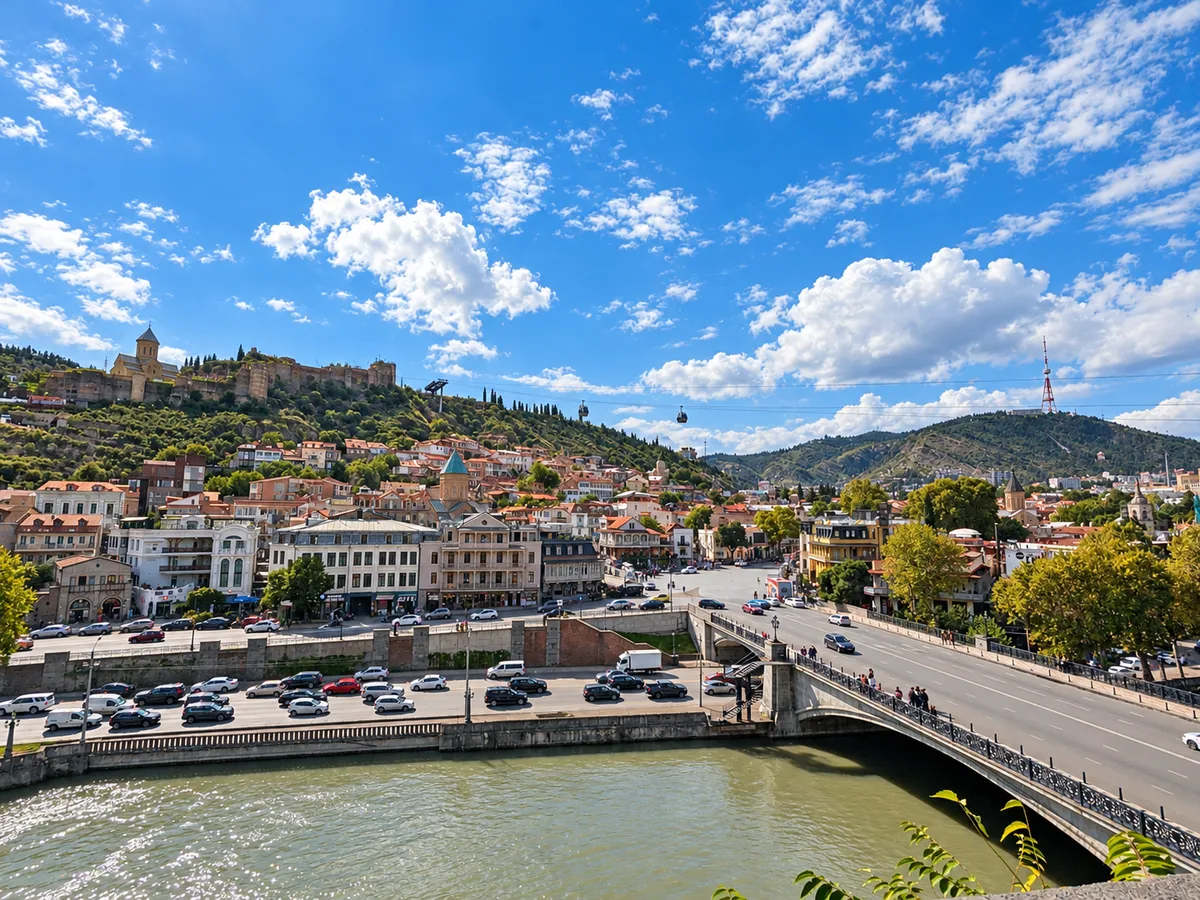
With a full afternoon, the natural order is to start at the great Sameba cathedral, then go to Metekhi church on its cliff above the river, and take the cable car up to Narikala for the view over the whole city. Walking back down brings you through Abanotubani, the district of brick-domed sulfur baths, and into the Old Town lanes, where the leaning clock tower of the Gabriadze theater is worth a stop. The Peace Bridge is the easy way back across the river.
Day 2: Uplistsikhe and Gori
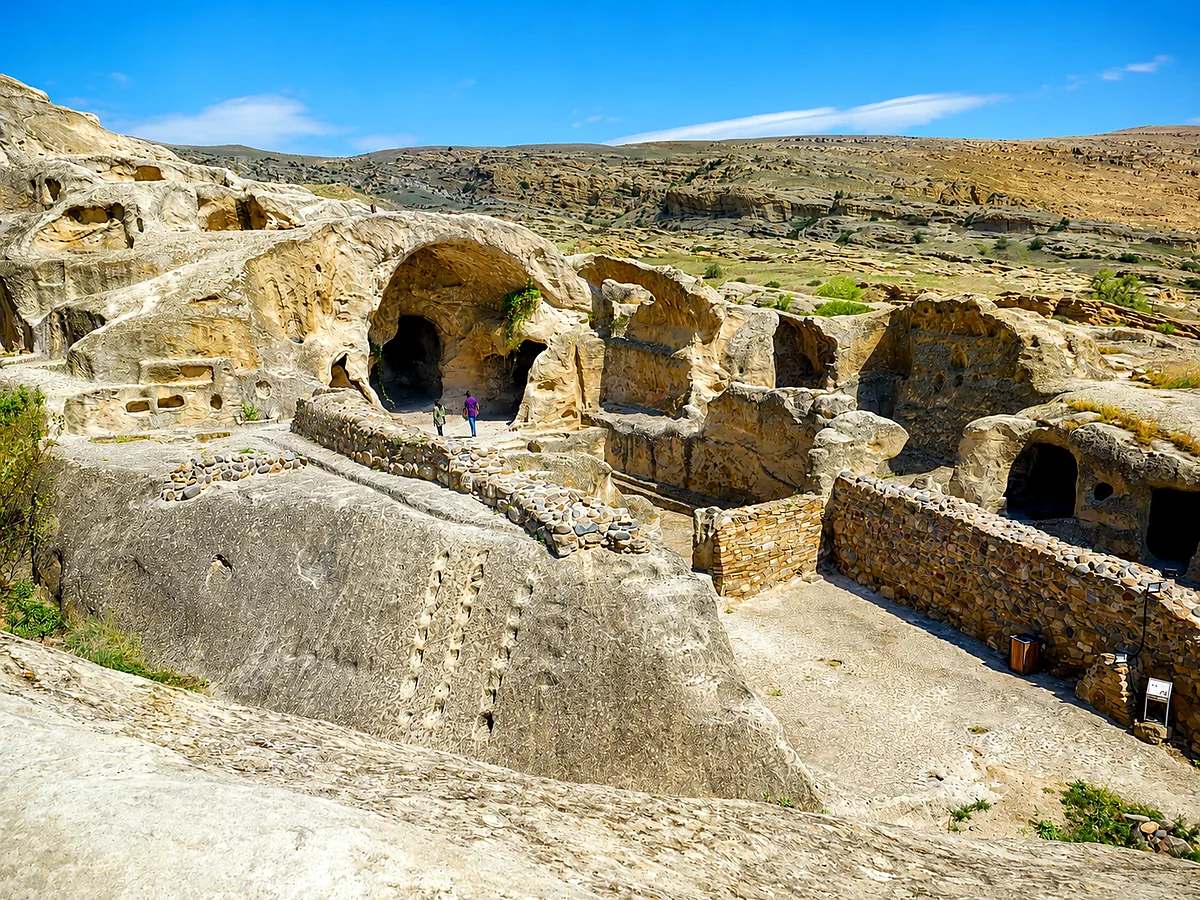
Day 2 is an easy excursion west of the capital, and it is a good one to place early because it eases you into the road. Uplistsikhe is a town cut into the rock above the Mtkvari River, with halls, streets and tunnels that date back to the Iron Age. It is not a ruin you read from a sign; you climb through it.
The second stop is Gori and the Stalin Museum. It is worth visiting as a history museum, and it helps to go with a guide, because the exhibition has changed little since Soviet times and is best read with context. It is a museum in the town where Stalin was born, not a heritage site in its own right. You return to Tbilisi for the night.
Day 3: Mtskheta, Ananuri and the road to Kazbegi
The Georgian Military Highway is part of the experience, not just a way to get north. It is the old route through the Greater Caucasus, and the road changes character as it climbs: valley farmland, a reservoir, ski slopes and then bare alpine ground.
Start in Mtskheta, Georgia's ancient spiritual center. Jvari monastery stands on the hill above the town, and the Svetitskhoveli cathedral sits in the old streets below. Both are part of a single UNESCO World Heritage property, so they count as one site, not two.
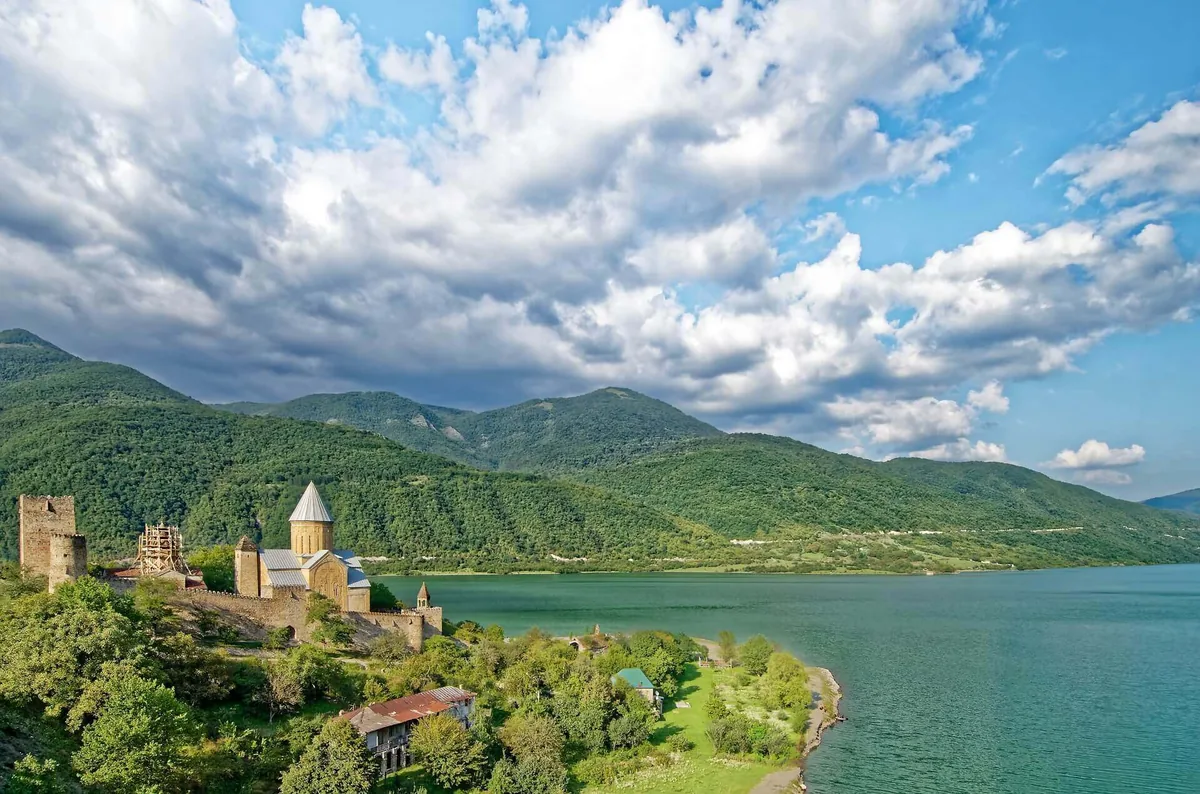
Further up, Ananuri is a fortress complex on the shore of the Jinvali Reservoir. The road then passes the meeting point of the Black and White Aragvi rivers, where two different colors run side by side before blending, and stops at the Gudauri Panorama for a wide view back down the valley. Beyond the pass the road drops to Stepantsminda, known as Kazbegi, a small town beneath Mount Kazbek.
Plan on eight to nine hours in total. This is a full day, and it ends with an overnight in the mountains so that Day 4 does not begin with a three-hour drive.
Day 4: Gergeti Trinity Church and back to Tbilisi
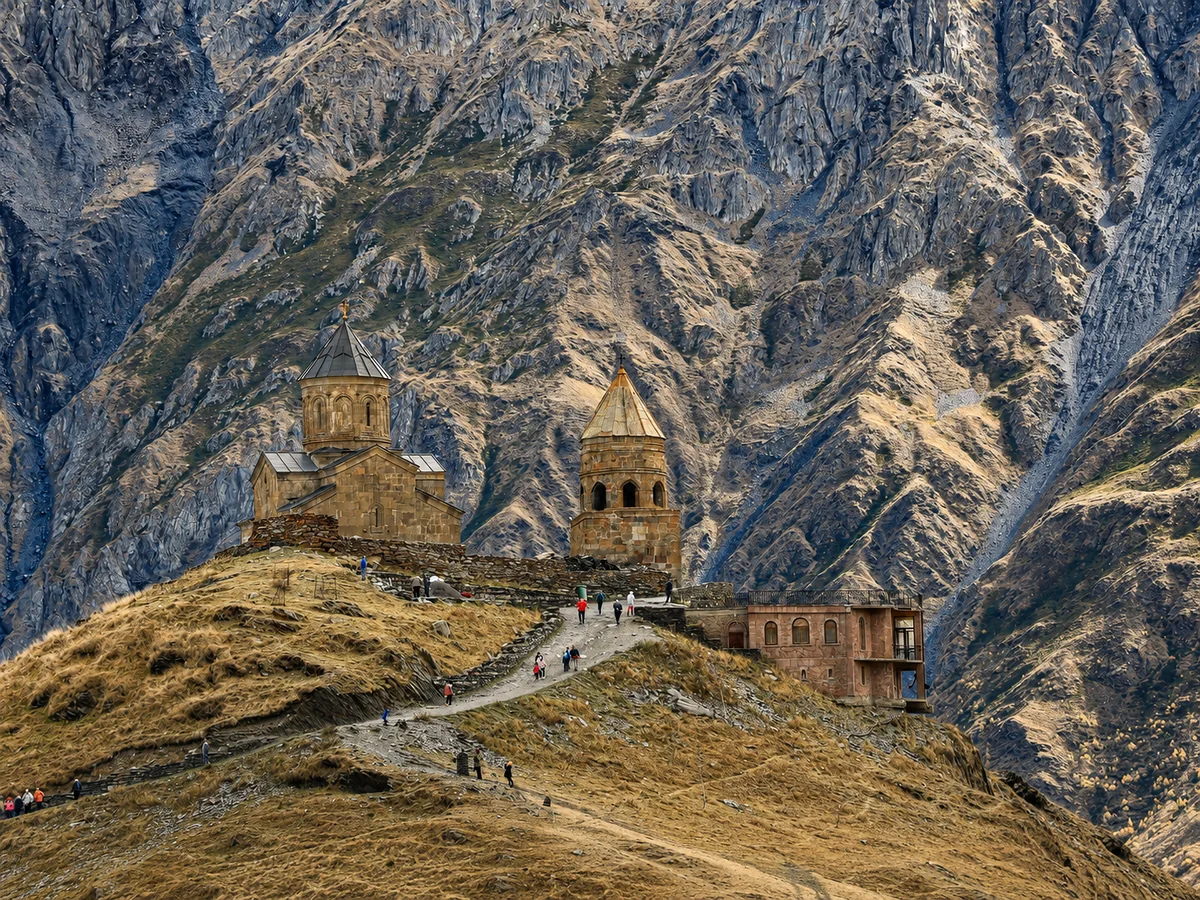
The morning belongs to Gergeti Trinity Church, the lone church at about 2,170 meters with Mount Kazbek behind it. It is one of the best-known views in Georgia and is usually at its best in early light. Weather decides whether the mountain shows itself: it can be hidden behind cloud for days, so treat the view as something that happens when visibility allows, not as a given.
After the church you leave the mountains and drive back down the Military Highway, arriving in Tbilisi in the afternoon with the rest of the day free. It is the lightest evening of the Georgian half, and a good moment for a walk through the city or a long dinner.
Day 5: Sighnaghi, Kakheti wine country and Telavi
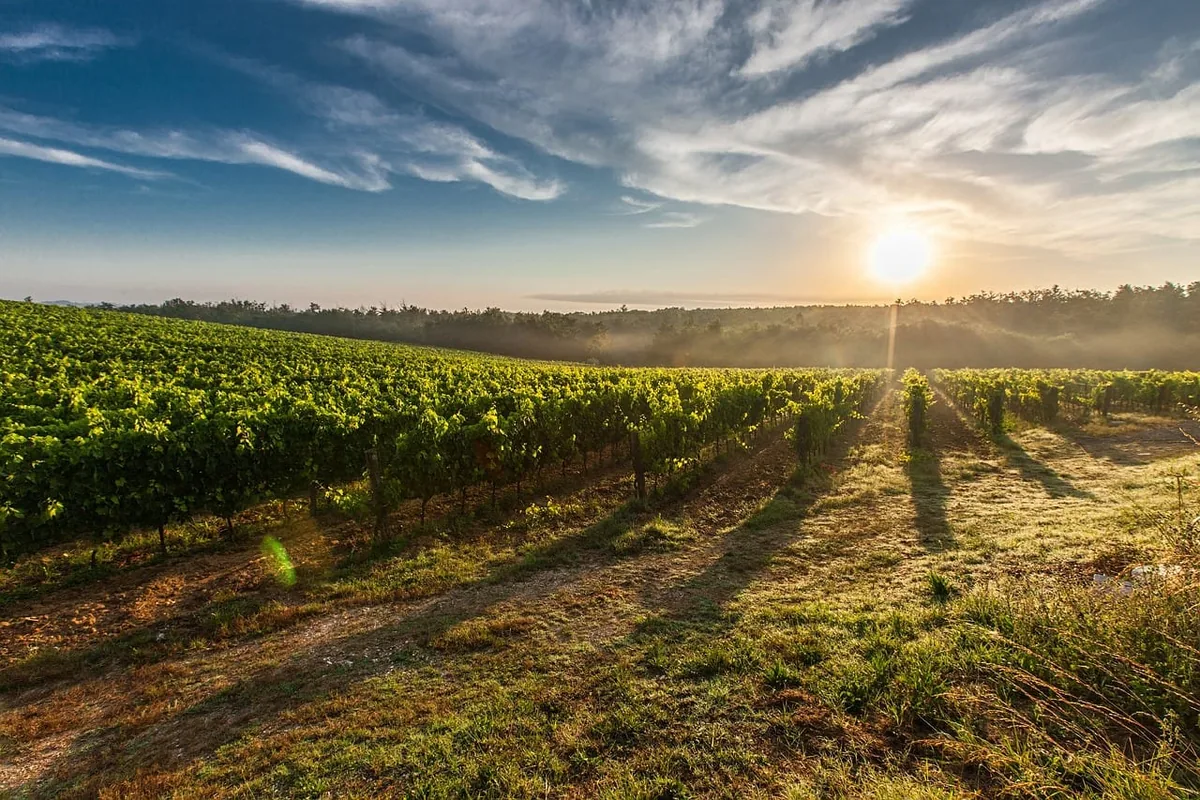
Day 5 turns east into Kakheti, Georgia's main wine region. Start at Bodbe, a hilltop convent above the Alazani Valley, then walk through Sighnaghi, a small walled town of cobbled streets and long views across the valley to the Caucasus.
Georgian wine is traditionally fermented in qvevri, large clay vessels buried in the ground, and a winery stop is the easiest way to understand what makes it different from wine made elsewhere. The tour includes a tasting at the Khareba cellar, which is cut into a hillside as a tunnel. You then settle into Telavi for the night, which means the second half of the day is unhurried instead of a race back to the capital.
Day 6: Telavi, Tsinandali and qvevri wine
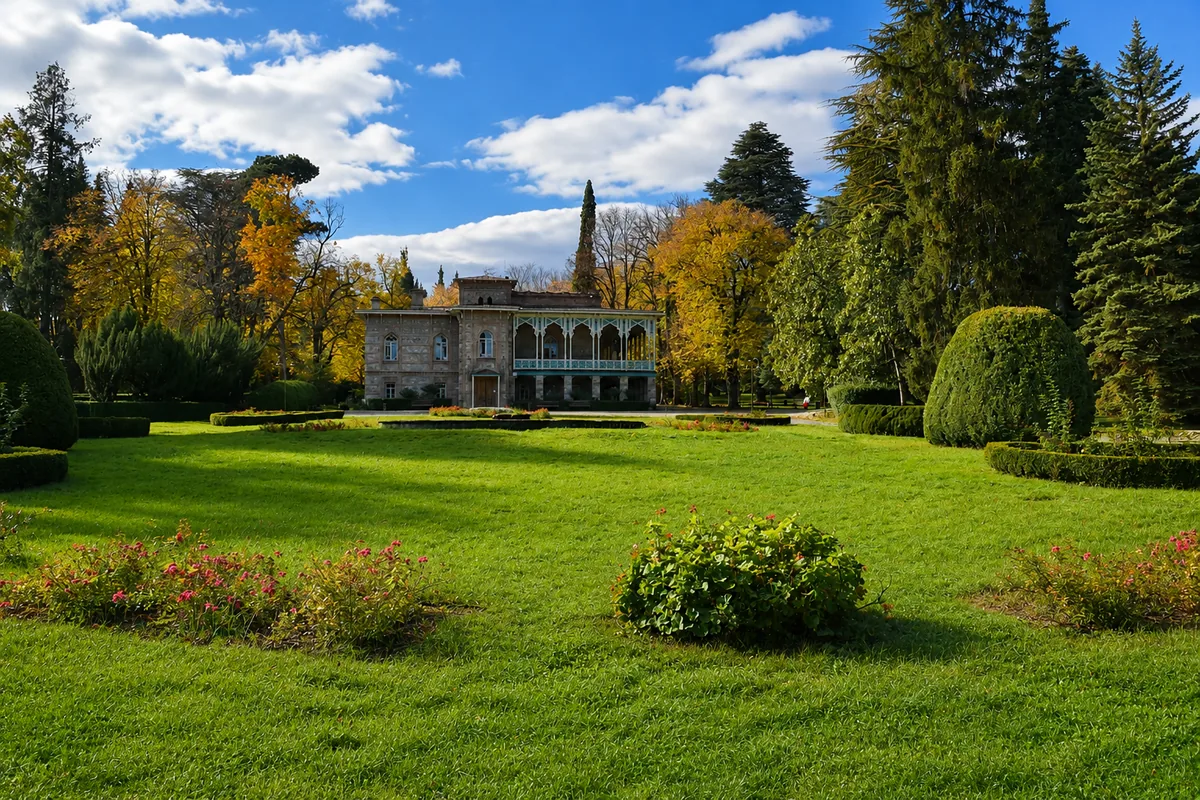
Start with a walk through Telavi: the old town, the giant plane tree that is said to be around 900 years old, and Batonistsikhe, the former royal residence of the kings of Kakheti. Then continue to the Tsinandali Estate, the 19th-century home and gardens of Prince Alexander Chavchavadze.
The wine part of the day is a local winery where you try a qvevri yourself, followed by Vardisubani, a village known for making the vessels. Then you drive back to Tbilisi. Returning to the capital the night before the border is deliberate: it puts you about an hour from the crossing instead of three, which matters a great deal on Day 7.
Day 7: Georgia to Armenia — Haghpat, Lake Sevan and Yerevan
This is the longest day of the route, so it is worth understanding in detail. You drive from Tbilisi to the Sadakhlo border crossing. The Georgian vehicle stops on the Georgian side, and you walk across with your luggage and complete your own border formalities. No Hikasus guide accompanies you through immigration. On the Armenian side, at Bagratashen, a new guide and vehicle are waiting, and the day continues.
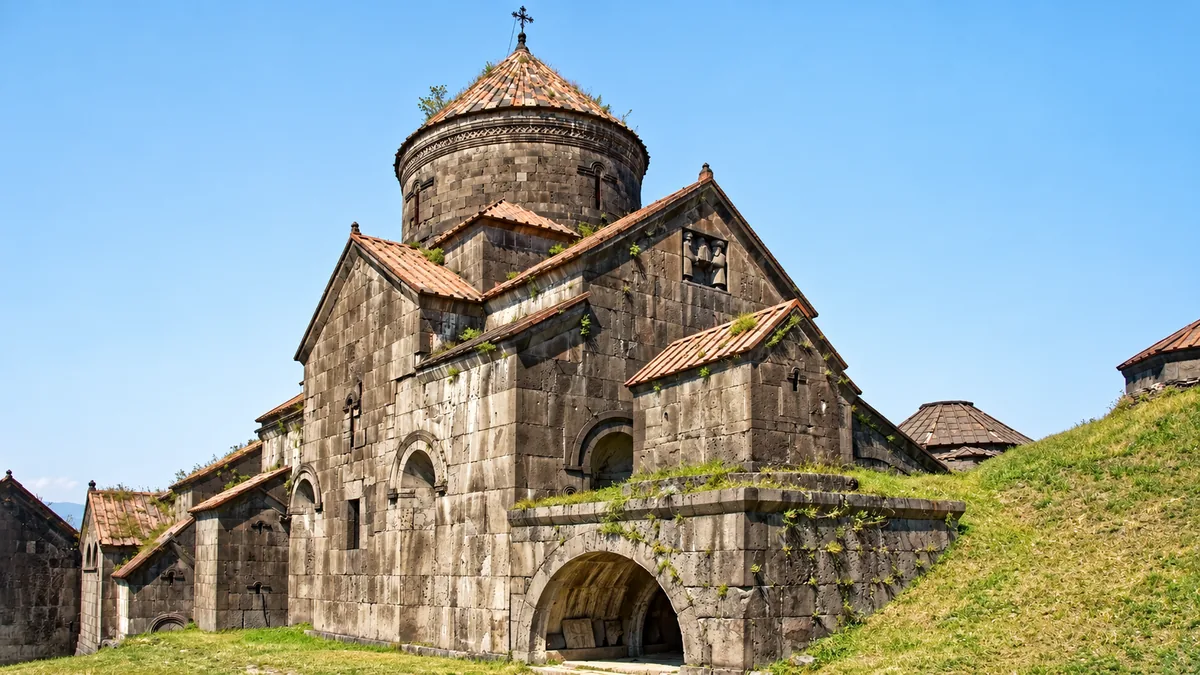
The first stop is Haghpat, a 10th-century monastery on a green plateau in the Lori hills and part of a UNESCO World Heritage property it shares with Sanahin. The road then climbs to Lake Sevan, a very large alpine lake at nearly 1,900 meters, where Sevanavank sits on a headland above the water. From there you continue to Yerevan for the first of three nights.
Expect about ten to eleven hours in total, with roughly five hours in the vehicle plus border time. Queues vary, and they can change the whole timetable. This is not a relaxed day, and you should not plan anything for the evening. Haghpat and Lake Sevan are what make the long transfer worthwhile.
If you want a slower pace, the alternative is to stop overnight in northern Armenia, but that means adding a day or removing another stop.
Day 8: Echmiadzin, Zvartnots and Yerevan
After Day 7 the schedule eases, and Day 8 pairs Armenia's spiritual heart with its capital. Echmiadzin is the seat of the Armenian Apostolic Church, and its cathedral, founded in the 4th century, is among the oldest in the world. Nearby are the ruins of Zvartnots, a 7th-century cathedral whose ring of columns stands open to the sky. UNESCO lists the cathedral and Zvartnots together as one property, so they count as one site.
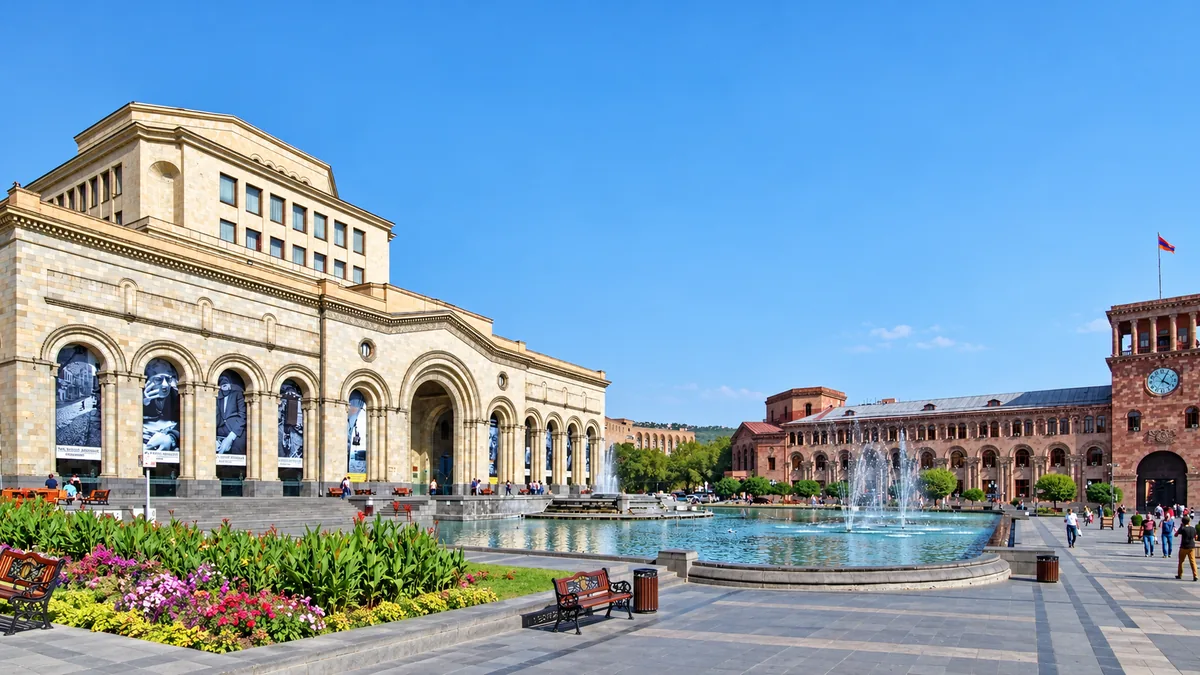
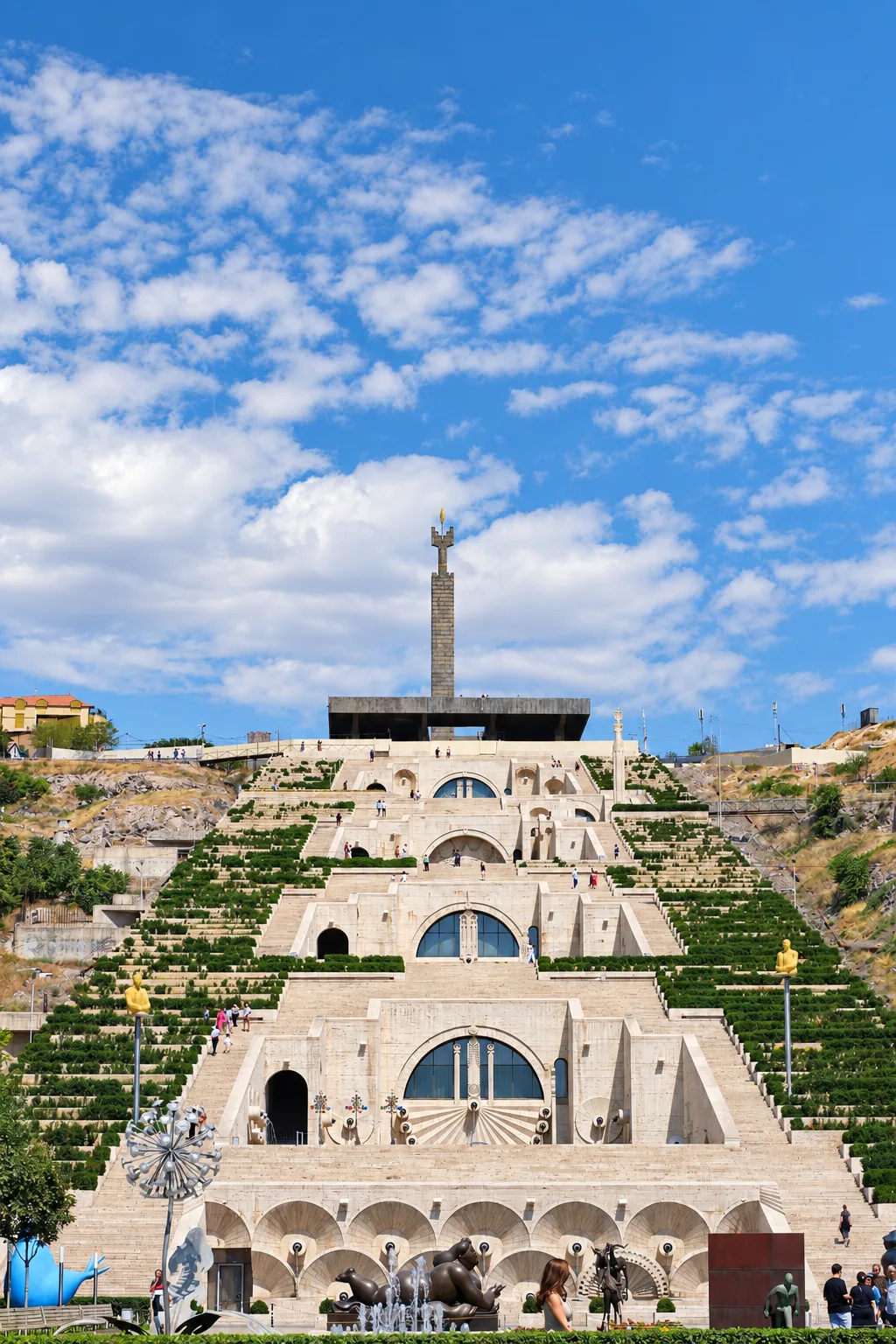
Back in Yerevan, the city tour covers Republic Square, the Cascade, the Opera House and the Matenadaran manuscript museum. From the Cascade you can look toward Mount Ararat on a clear day, though haze often hides it.
Day 9: Khor Virap, Garni and Geghard
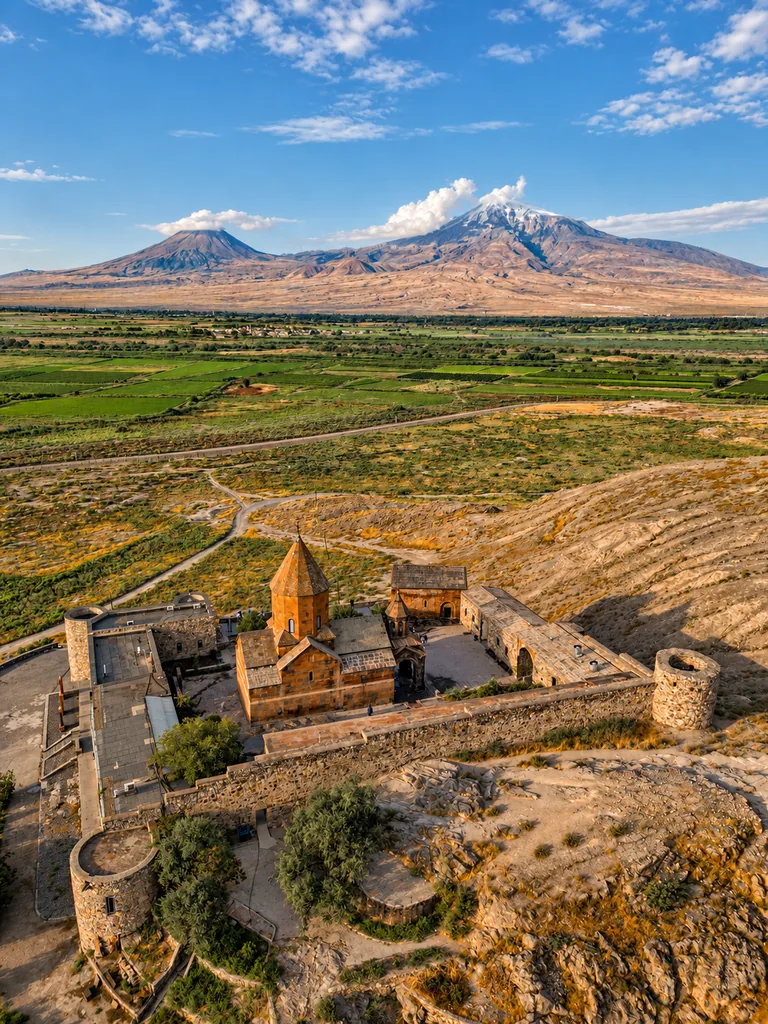
Day 9 is full, and it takes in three of Armenia's best-known places. You start south at Khor Virap, a monastery set right below Mount Ararat. It is also where, according to tradition, Gregory the Illuminator was imprisoned before Armenia adopted Christianity. Ararat itself lies across the border in Turkey, and views depend on weather and haze, so a clear morning is a bonus, not a promise.
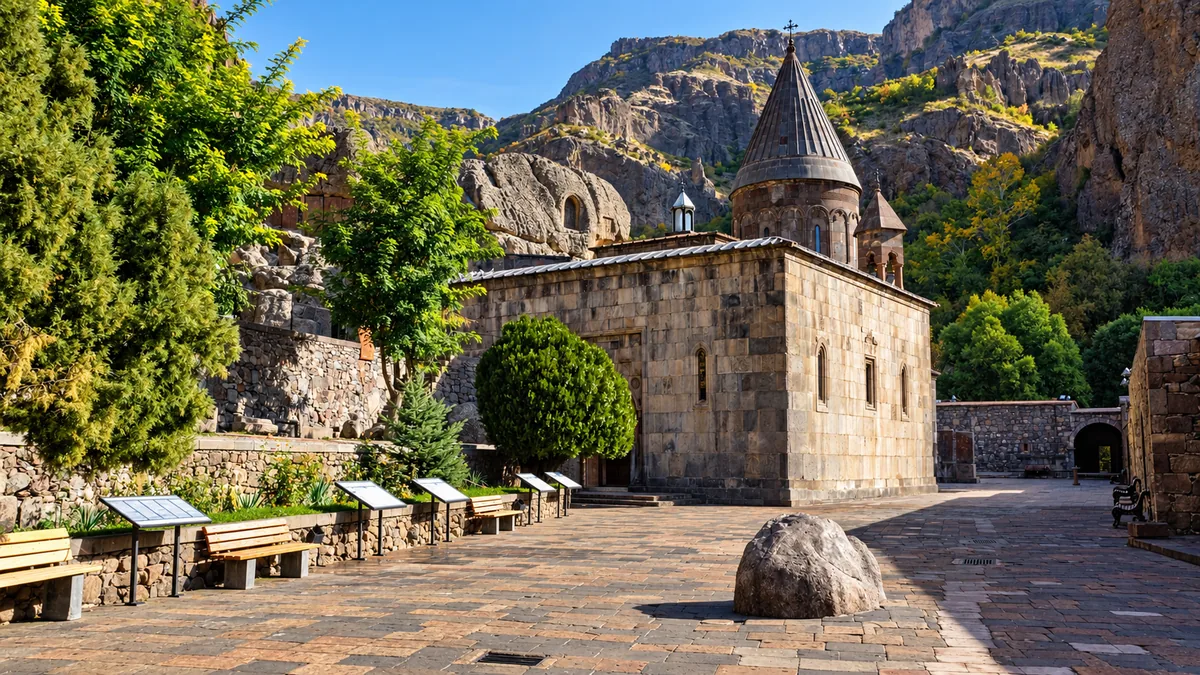
Then head east to Garni, a 1st-century Greco-Roman temple above a river gorge, with a walk down to the Symphony of Stones, a wall of basalt columns. Finally, Geghard is a UNESCO-listed monastery partly cut into the rock. You are back in Yerevan for the last night.
Day 10: Departure from Yerevan
Check-out is by noon, and the airport transfer to Zvartnots International Airport takes about thirty minutes. If your flight leaves in the evening, you will have a free morning. As optional ideas on your own, the Vernissage market is a good place for crafts and souvenirs, and the things to do in Yerevan page lists more.
Is 10 days enough for Georgia and Armenia?
Yes, for a first cultural trip. In Georgia it covers Tbilisi, Kazbegi, Kakheti, Mtskheta and Uplistsikhe. In Armenia it covers Haghpat, Lake Sevan, Yerevan, Echmiadzin, Khor Virap, Garni and Geghard.
It does not cover western Georgia, Svaneti or Batumi, southern Armenia and Tatev, or Dilijan in any depth, and it is not a slow-travel itinerary. Think of it as a good introduction to both countries, not a comprehensive tour of either.
How should you divide 10 days between Georgia and Armenia?
The route as laid out gives roughly six days to Georgia, one transfer day that delivers the first Armenian sights, two full Armenian sightseeing days and a departure day.
Georgia gets more of the time because its highlights are spread out: the mountains in the north, the wine region in the east and the capital in between each need a day, and none is close to the others. Armenia's major sights around Yerevan are more compact, so two full days plus the arrival day cover a lot of ground without much backtracking.
How fast is this itinerary?
It is not slow travel. Most days contain structured sightseeing, the Kazbegi road is a full day, the border day is long, and Day 9 in Armenia is full as well. The evenings in Tbilisi and Yerevan are what give you breathing room, along with Day 4's early return to the capital.
If a day feels like too much, remove a stop instead of rushing everything. Gori, Vardisubani and the Gudauri Panorama are the easiest to shorten, and nothing in this route is improved by being hurried.
Crossing from Georgia to Armenia at Sadakhlo
Sadakhlo (Georgia) and Bagratashen (Armenia) form the main land crossing between the two countries. On this route you cross on foot: the vehicle stops on the Georgian side, you carry your own luggage and complete your own passport formalities, and a new guide and vehicle meet you at Bagratashen. Vehicles do not normally cross as part of this arrangement.
Queues vary with the day and the season, so the timing is the main uncertainty, not the procedure. Entry rules and visa eligibility depend on your nationality, and they change, so check them before you travel. Our Sadakhlo / Bagratashen border guide covers the crossing in detail, and the Georgia and Armenia entry pages cover the paperwork. Keep your passport and any entry documents easy to reach on Day 7.
Best time for a 10-day Georgia and Armenia trip
May, June, September and October are the most comfortable months. In spring the landscapes are green and the days mild; early autumn is good for sightseeing and coincides with the wine harvest in Kakheti. July and August are hotter, especially in Tbilisi and Yerevan, though Kazbegi stays cooler because of its altitude. Weather in the mountains changes quickly in any season.
Do you need a car or private driver?
It depends on which part of the trip you mean.
- Tbilisi and Yerevan are easy without a car. Both are walkable in the center, and taxis and ride-hailing apps are cheap.
- The regional route is a different matter. It involves a mountain road, winery stops, a border handover, many monasteries and several one-night bases, and public transport does not fit that pattern.
- A rental car can work for experienced drivers within each country. Taking a rental across the border is complicated, so check with the provider before you plan on it.
- A private vehicle with a guide is the simplest way to reproduce this itinerary. You decide where to stop and nobody needs to find parking or a winery.
Where to stay on this route
The structure of the bases matters more than any single hotel. In Tbilisi, a central location makes evenings and walking easy. A night in Kazbegi keeps the mountain day from becoming an exhausting day trip. A night in Telavi makes Kakheti feel less rushed. In Yerevan, a central hotel works for both the city tour and the day trips. Ask your Tbilisi and Yerevan hotels to store a suitcase for the nights you are away, and pack light for the one-night stops.
Practical tips for 10 days in Georgia and Armenia
- Pack layers. Kazbegi is much cooler than the cities, even in summer.
- Wear comfortable shoes. Old Town cobbles and monastery steps are uneven.
- Bring a manageable suitcase. You carry it across the border yourself.
- Keep documents accessible on Day 7. Passport and entry papers should not be at the bottom of a bag.
- Check insurance. Arrange travel insurance before you go.
- Carry some local currency. Cards work in cities, but villages and small stops are easier in cash.
- Dress respectfully in churches and monasteries. Cover shoulders and knees, and women may be asked to cover their hair.
- Do not count on the views. Mount Kazbek and Mount Ararat are often hidden by cloud or haze.
- Allow flexibility. Traffic and border queues can move the schedule.
7, 10 or 14 days for Georgia and Armenia?
- 7 days: very compressed. Choose fewer regions instead of trying to cover both countries fully.
- 10 days: a strong first combined trip with Tbilisi, Kazbegi, Kakheti, northern and central Armenia and Yerevan, as described here.
- 13 to 14 days or more: better if you want Borjomi or Vardzia, more time in Kakheti, a slower pace or additional Armenian regions. Our private 13-Day Georgia and Armenia Tour is the longer version of this route, and a two-week Caucasus route adds Azerbaijan.
Who this itinerary is best for
It suits first-time visitors to the Caucasus, couples and friends, and travelers interested in history, wine and food, or in mountain scenery without serious hiking. You should be comfortable with full sightseeing days.
It is less suitable if you want slow travel, serious trekking or a beach holiday, or if you dislike long road days.
Plan it yourself or have it arranged
The itinerary above works independently, so you can use it to plan your own trip. If you prefer the transport, hotels, guides and border handover arranged in advance, Hikasus runs the same route as a private 10-Day Georgia and Armenia Tour and can adjust it around your dates and pace. For visa rules, money and general planning, see our Armenia travel guide.