
Things to Do in Kutaisi, Georgia: Monasteries, Caves, and Canyons
Kutaisi is one of the oldest cities in Georgia — the country in the South Caucasus — and it offers a different kind of trip from Tbilisi or Batumi. It isn't a city built around tourism; it combines history, nature, and everyday life in a natural, unforced way. For many travelers it becomes more than a stop: it's the best base for western Georgia, with monasteries, caves, canyons, forests, and unusual Soviet-era sites all within a short distance. The city itself stays calm and local, which makes it a comfortable place to return to after a day out. To get the most from it, combine the cultural landmarks, the nature day trips, and time simply walking the streets.
What is there to do in Kutaisi?
The main things to do in and around Kutaisi are visiting the UNESCO-listed Gelati Monastery and Bagrati Cathedral, the clifftop Motsameta Monastery, and the natural sites of western Georgia — Prometheus Cave, Martvili and Okatse canyons, and Sataplia Nature Reserve — plus the abandoned Soviet spa town of Tskaltubo. In the city itself, walk the Rioni riverfront and the Green Bazaar. It's a base for two to three days that balances medieval history with the outdoors, rather than a single headline sight.
Explore Gelati Monastery
The Gelati Monastery is one of the most important cultural and historical sites in Georgia and a UNESCO World Heritage Site. Founded in 1106 by King David the Builder, Gelati was both a religious center and an intellectual one — an academy where scholars studied philosophy, science, and theology, making it one of the most important educational centers of medieval Georgia. Walking through the complex, you'll see detailed frescoes and mosaics, traditional Georgian architecture, and a quiet, almost timeless atmosphere, with the surrounding hills adding to the sense of removal from modern life. Its UNESCO status reflects both the historical importance and the architectural value, and for many visitors it's the highlight of western Georgia. It remains an active monastery, so dress modestly.
Visit Bagrati Cathedral
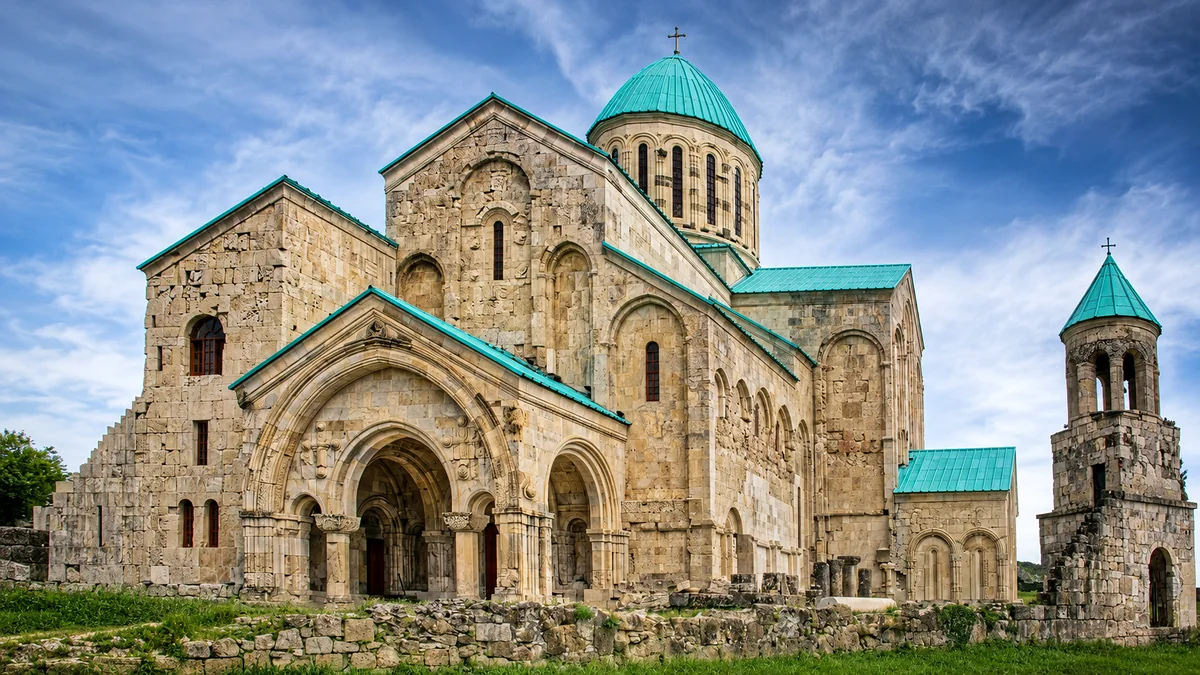
The Bagrati Cathedral is one of the most recognizable landmarks in Kutaisi and a natural starting point for the city. Built in the early 11th century during the reign of King Bagrat III, it once symbolized the unification of Georgia at a key moment in the country's history. Today it serves as both a historical monument and a viewpoint: its hilltop position gives a wide panorama over Kutaisi, the Rioni River, and the surrounding hills, so you can read the layout of the city and how it grew along the river. It doesn't need a long visit, but it gives useful context and perspective. One note for the curious: the cathedral was heavily reconstructed in 2012, which remains debated among conservation specialists, so it isn't an untouched medieval ruin.
Visit Motsameta Monastery
On the road between Kutaisi and Gelati, the Motsameta Monastery is a smaller site that leaves a strong impression. It sits on a narrow cliff above a river gorge, surrounded by forested hills, and the viewpoint is one of the most scenic in the region, with the river curving through the valley below. The architecture itself is modest, but the setting makes it memorable — a short stop that adds visual and atmospheric contrast to the larger historical sites, and it pairs naturally with a Gelati visit.
Walk through Kutaisi and along the Rioni
Kutaisi is best explored slowly and without a strict plan, since the city relies on atmosphere and daily life rather than major attractions. Start near the White Bridge and walk along the Rioni River, crossing between both sides of the city, exploring smaller streets, and passing local cafés and shops. Kutaisi feels more local and less shaped by tourism than other Georgian cities — the buildings are more varied, the streets less structured, and life moves at a slower pace, which gives it an authentic, lived-in feeling.
See the Colchis Fountain
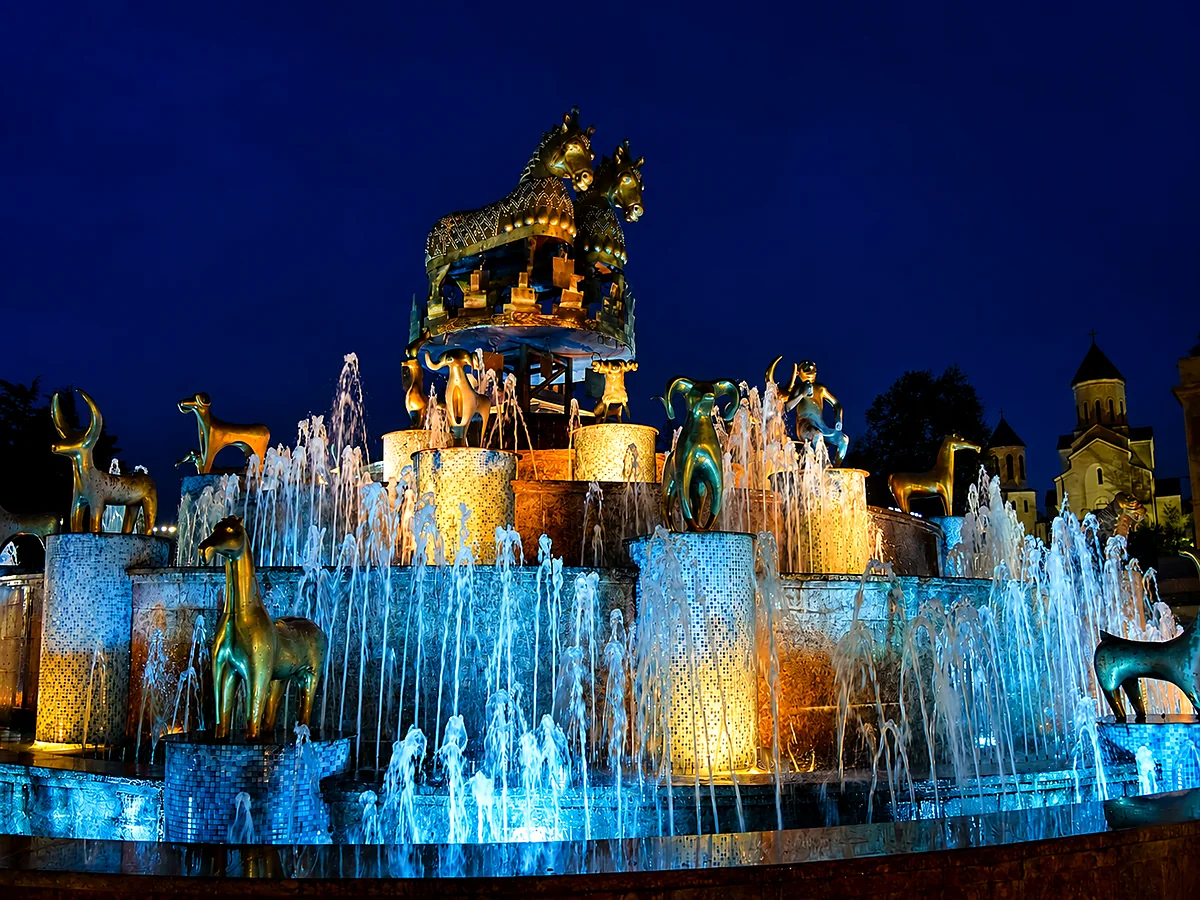
In the central square, the Colchis Fountain is one of the city's modern symbols. It features golden statues based on ancient Colchis artifacts, linking Kutaisi to its mythological past and the story of the Golden Fleece. It's a short stop, but it shows how Georgia connects its ancient history with its modern identity.
Visit the Green Bazaar
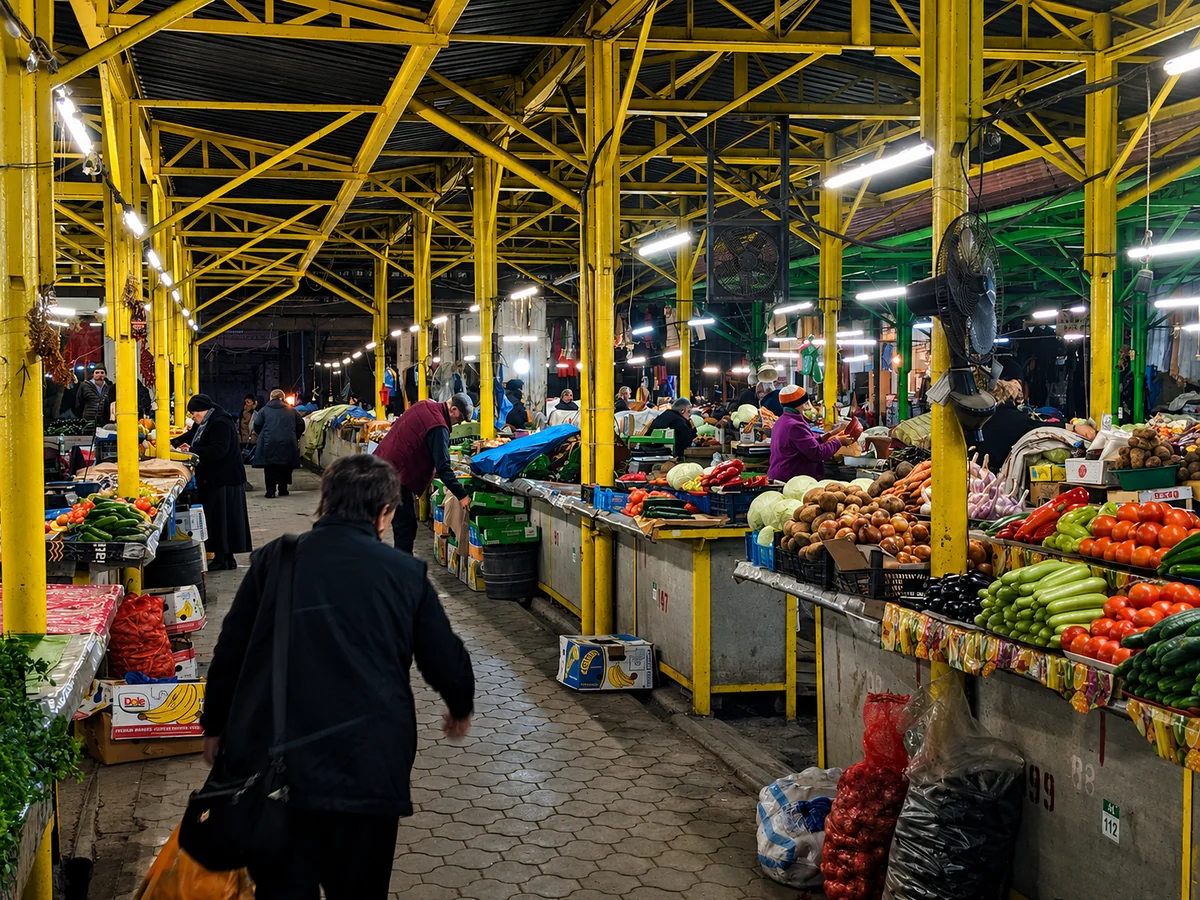
The Green Bazaar is one of the best places to experience everyday life in Kutaisi. A working market rather than a tourist attraction, it carries fresh vegetables, herbs, cheese, bread, spices, and homemade products, with vendors focused on daily trade rather than presentation. Walking through gives real insight into local food culture and seasonal produce — including the fresh Imeretian cheese the region is known for — and it's worth a look even without buying anything.
Explore Prometheus Cave
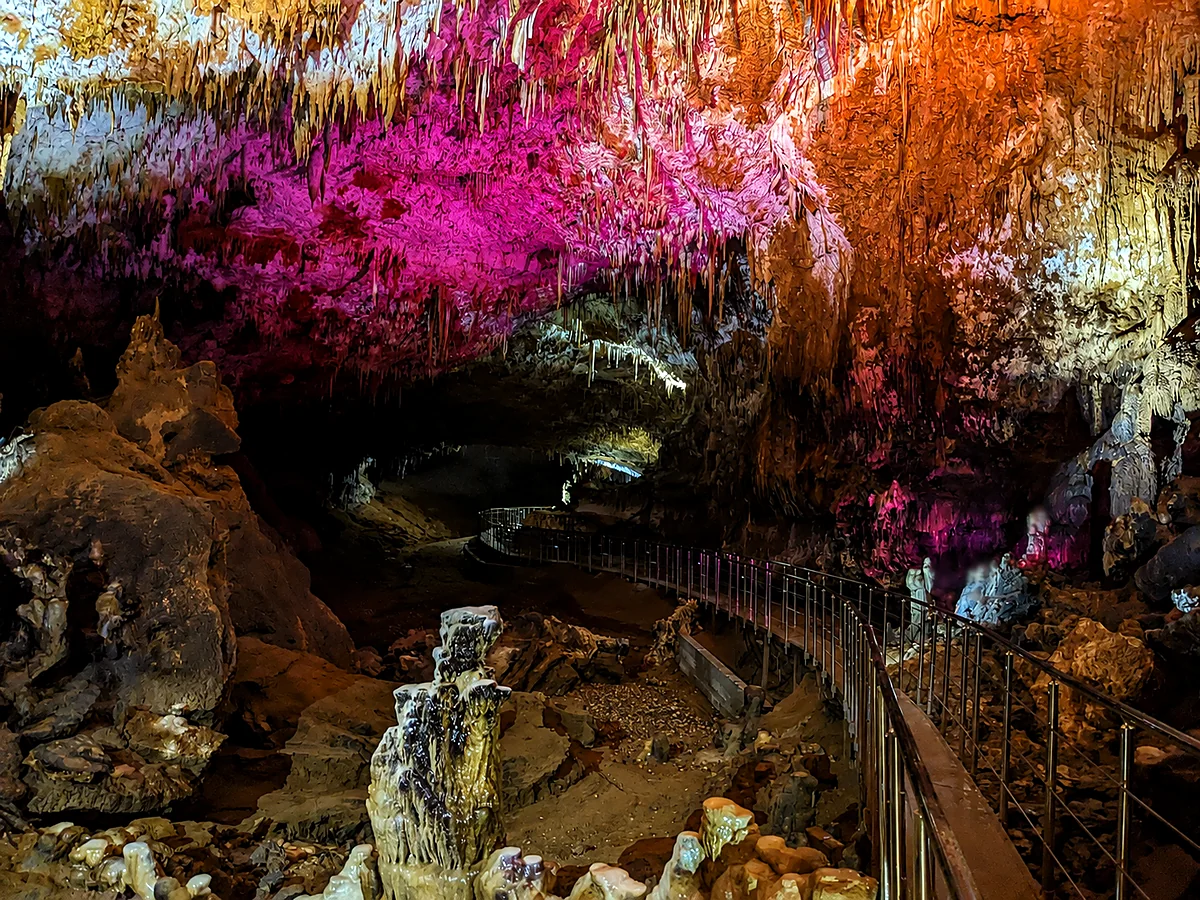
Prometheus Cave is one of the most impressive underground sites in Georgia and one of the easiest to visit, just outside Kutaisi. The system runs through a series of large halls linked by well-maintained walking paths, with a wide variety of stalactite and stalagmite formations that over time have grown into shapes that feel almost architectural, giving the cave a spacious rather than confined feel. The lighting highlights the formations without overpowering them, and the guided route is comfortable and accessible for almost all visitors regardless of age or fitness. After time in open landscapes or city streets, the underground world makes a striking contrast.
Discover Martvili Canyon
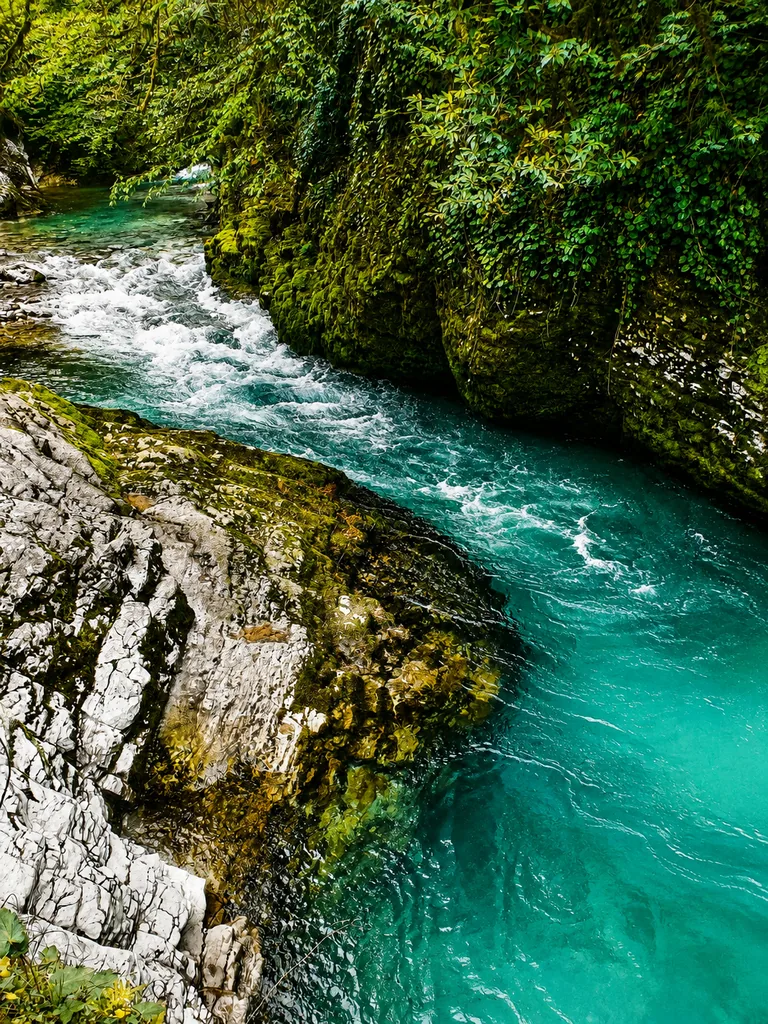
Martvili Canyon is one of the most visually distinctive natural attractions in Georgia, known for its calm atmosphere and striking turquoise water. The canyon is relatively narrow, with steep rock walls covered in greenery, and walking paths along the edge lead to viewpoints over the waterfalls and the river. The highlight for many is the short boat ride through a quiet section of the canyon, surrounded by cliffs and vegetation — a peaceful, almost meditative experience rather than an adrenaline one. Its accessibility is part of the appeal: easy to visit, little physical effort, and a landscape unlike other parts of Georgia.
Walk along Okatse Canyon
Okatse Canyon offers one of the most panoramic, elevated nature experiences in western Georgia. Unlike the enclosed, water-focused Martvili, Okatse is about wide views and open landscapes. The visit begins with a walk through forest, then continues along a metal walkway built along the cliff edge, where you look out over a deep, densely forested valley stretching into the distance. The height and openness create a strong sense of scale; it's a stop-and-take-it-in experience rather than a fast-paced one, and it tends to feel less crowded and more immersive than the better-known sites. Note the walkway involves a fair amount of walking, so reasonable footwear helps.
Visit Sataplia Nature Reserve
Sataplia Nature Reserve combines nature with educational elements, which makes it one of the more varied experiences near Kutaisi. A main highlight is the preserved dinosaur footprints, millions of years old, easy to access and well presented even for visitors without a strong interest in geology. The reserve also has forest walking paths through green, calm surroundings and a glass viewing platform that extends out over the landscape, with wide views across western Georgia's forests and hills. It's smaller and less dramatic than the bigger natural sites but works well as part of a broader itinerary, often paired with Prometheus Cave nearby.
Explore Tskaltubo and its Soviet sanatoriums
A short drive from Kutaisi brings you to Tskaltubo, one of the more unusual destinations in the country. Once a major Soviet spa resort known for its mineral waters and large sanatorium complexes, Tskaltubo today has many of those buildings standing abandoned, creating an atmosphere that draws visitors interested in architecture, history, and photography. Walking among the structures gives insight into a different period of Georgian history and a contrast to the country's medieval and natural landmarks. One important note: some buildings are derelict and unsafe, and others are lived in by people displaced by the Abkhazian conflict, so explore with care and respect for residents.
Nearby places to add
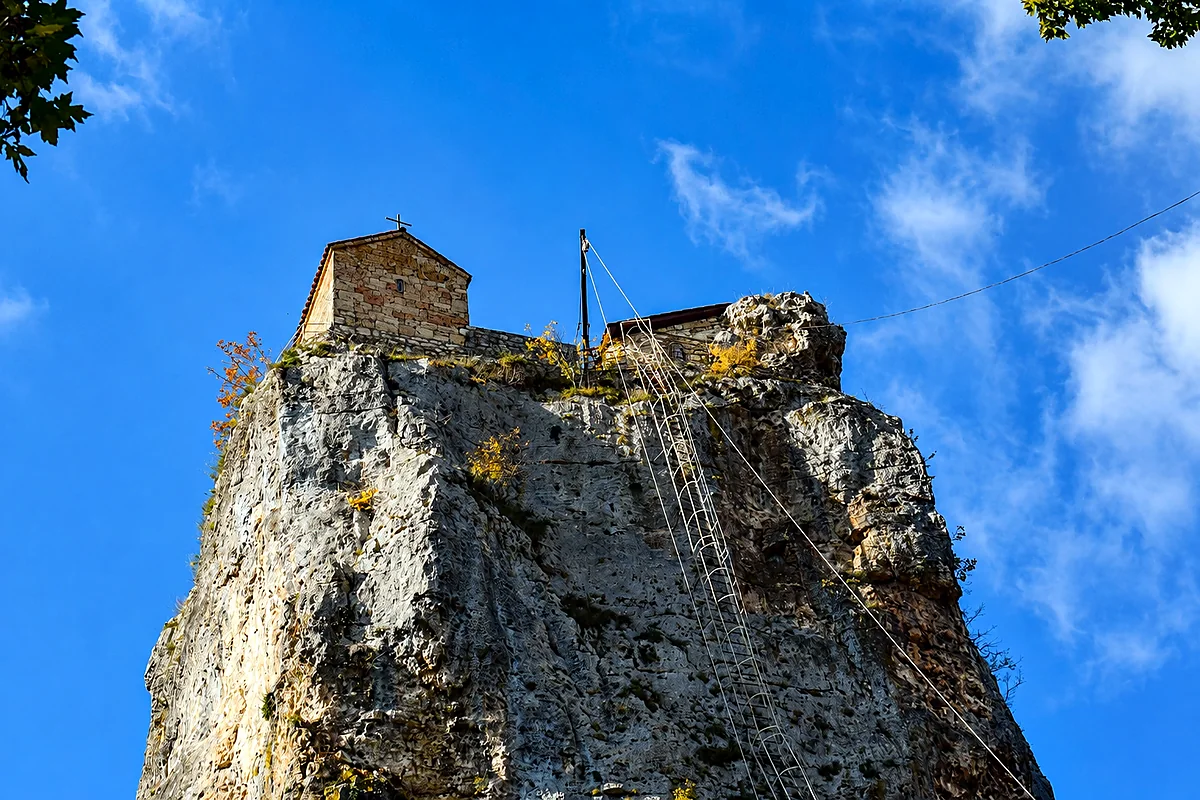
Kutaisi is also a base for nearby destinations including Chiatura, with its Soviet-era cable cars and industrial canyon townscape, and the Katskhi Pillar, a medieval church atop a tall limestone monolith. Both add variety and make a western Georgia itinerary more complete.
Why Kutaisi is one of Georgia's most complete destinations
Kutaisi offers a balance of culture, nature, and local life. It isn't a city that tries to impress immediately, but one that becomes more interesting the longer you stay. For travelers who want more than just highlights, it provides depth, variety, and access to some of the most diverse experiences in Georgia — best for those willing to use it as a base and explore at an unhurried pace.
FAQ zu Kaukasus-Reisen
Visit the UNESCO-listed Gelati Monastery and Bagrati Cathedral, the clifftop Motsameta Monastery, and the natural sites of western Georgia — Prometheus Cave, Martvili and Okatse canyons, and Sataplia — plus the abandoned spa town of Tskaltubo. In the city, walk the Rioni riverfront and the Green Bazaar.
Yes — for many it's the highlight of the Kutaisi area. Founded in 1106 by David the Builder as a monastery and academy, it's a UNESCO World Heritage Site with some of the finest medieval frescoes and mosaics in Georgia, in a quiet hillside setting.
Martvili is narrow and water-focused, with turquoise water and a short, peaceful boat ride, and is very easy to visit. Okatse is about elevation and wide views, with a cliff-edge metal walkway over a deep forested valley. They're often combined into one day trip from Kutaisi.
Largely yes. The guided route runs through large halls on well-maintained, accessible paths suitable for most ages and fitness levels, with a wide variety of stalactite and stalagmite formations. Allow two to three hours.
Yes, if you're interested in Soviet architecture, history, and photography. The abandoned sanatorium complexes are striking, but some buildings are unsafe and others are lived in by displaced families, so explore with care and respect.