
Things to Do in Rustavi, Georgia: Soviet City, Motorpark, and Day Trips
Rustavi is one of the largest cities in eastern Georgia — the country in the South Caucasus — about 25 kilometers from Tbilisi. Unlike historical cities such as Mtskheta or Gori, Rustavi is known primarily for its Soviet-era industrial development and modern urban character. At first glance it may not look like a typical travel destination, but it offers a different perspective on Georgia — one reflecting the country's more recent history, everyday life, and access to unusual landscapes nearby. It works best as a short visit or as part of a broader route that includes nearby attractions such as the semi-desert landscapes of David Gareja.
What is there to do in Rustavi?
The main things to do in and around Rustavi are seeing the Soviet-planned city itself, visiting the Rustavi International Motorpark, relaxing at the Central Park, and the Rustavi History Museum. The bigger draw for many is using Rustavi as a base for the nearby semi-desert landscapes and the David Gareja monastery complex, plus the southern Kvemo Kartli sites of Bolnisi and Dmanisi. Be clear about what it is: Rustavi is for travelers interested in Soviet-era urban life, industrial history, and the surrounding landscapes, rather than a conventionally scenic city.
Visit the Rustavi International Motorpark
The Rustavi International Motorpark is one of the most modern and unexpected attractions in Georgia. Originally built in the Soviet period and later fully renovated, it's now a professional racing circuit hosting motorsport events. Depending on the calendar, visitors can watch races and events, take part in driving activities, or visit on open days. It adds a completely different kind of experience from the traditional cultural or nature sites elsewhere in the country.
Explore Rustavi Central Park
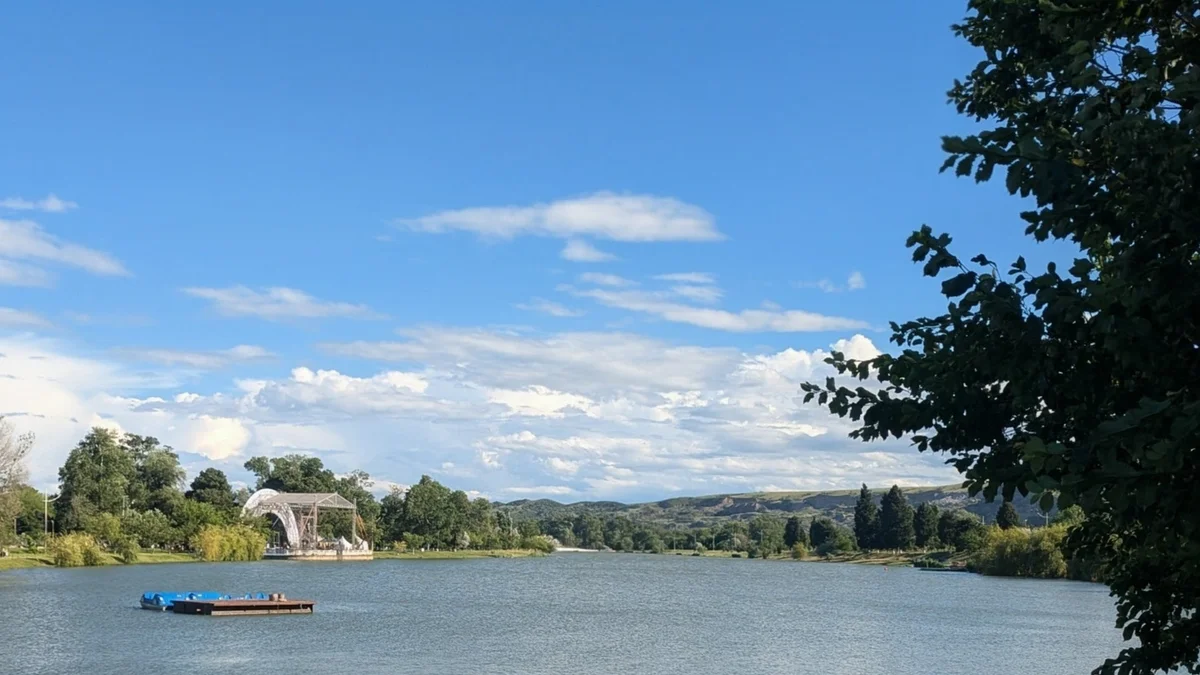
The Rustavi Central Park and its lake area provide a green, relaxed space within the city — a place where locals walk, spend time outdoors, and escape the urban environment, with paths circling the water and an open, accessible feel. It isn't a major attraction, but it gives a better sense of daily life in Rustavi and a calm break within the city.
Visit the Rustavi History Museum
The Rustavi History Museum gives insight into the development of the city and the surrounding region, with exhibits on local history, archaeological finds, and the Soviet-era development that created the modern city. It helps explain how Rustavi evolved from an industrial center into the city it is today, and gives useful context before walking the Soviet-planned streets.
Explore the surrounding semi-desert landscapes
One of the more interesting aspects of Rustavi is its location near semi-desert landscapes, very different from the green and mountainous parts of Georgia. Driving outside the city, you'll see dry hills, open terrain, minimal vegetation, and wide views — a contrast that shows just how geographically diverse the country is. These same landscapes lead toward the David Gareja monastery complex, the standout site in this direction.
Take a day trip to David Gareja
The David Gareja monastery complex, about 100 kilometers southeast near the border with Azerbaijan, is one of the most remarkable sites in Georgia and the main reason many travelers pass through this area. Founded in the 6th century, it's an extensive network of churches, cells, and monastic buildings carved into the sandstone cliffs of the Gareja plateau, with some of the finest surviving medieval Georgian frescoes and a stark, windswept, semi-arid setting unlike anywhere else in the country. Rustavi is one of the closest urban centers and a logical staging point. One important caveat: parts of the complex sit on the disputed Georgia–Azerbaijan border, and access to the upper Udabno cave churches has at times been restricted, so check the current situation before going.
Experience local life in Rustavi
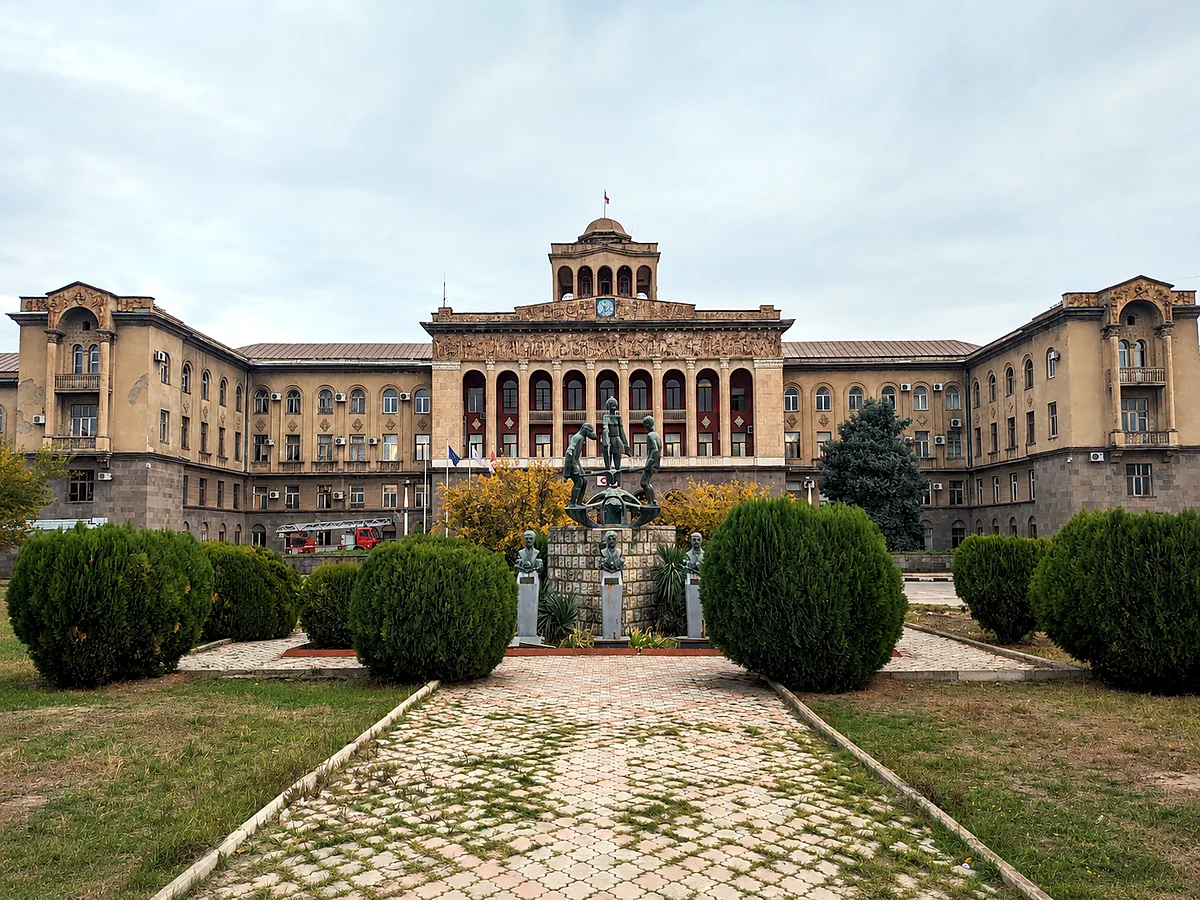
Rustavi offers a direct look at everyday urban life outside the capital. The city reflects its Soviet past in its residential blocks, industrial structures, and wide streets, and while it isn't visually polished, it gives an honest, unfiltered sense of how many people in Georgia actually live — useful perspective for travelers who want to understand the country beyond its highlights.
Combine Rustavi with nearby destinations
Rustavi is best combined with nearby destinations including Tbilisi (just 30–40 minutes away), Bolnisi with its 5th-century cathedral and German colonial heritage, and Dmanisi with its ancient hominin site and medieval fortress. That makes it a practical addition to a broader eastern and southern Georgia itinerary rather than a standalone trip.
Why Rustavi is worth visiting
Rustavi offers a different perspective on Georgia. It isn't about traditional tourism but about Soviet and modern urban life, industrial history, the unusual nearby landscapes, and access to David Gareja. It works best as a short stop or as part of a wider route — best for travelers who find the country's recent history and everyday reality as interesting as its medieval monuments and mountains.
Kaukasus reis-FAQ
See the Soviet-planned city itself, visit the Rustavi International Motorpark, relax at the Central Park, and stop at the Rustavi History Museum. For many, the bigger draw is using Rustavi as a base for the nearby semi-desert landscapes and the David Gareja monastery complex, plus Bolnisi and Dmanisi.
It's a professional racing circuit in Rustavi, originally Soviet-built and later fully renovated, which hosts motorsport events. Depending on the calendar, visitors can watch races, take part in driving activities, or come on open days — a very different experience from Georgia's usual cultural and nature sites.
Yes — Rustavi is one of the closest urban centers to David Gareja, about 100 km southeast, and a logical staging point. Note that parts of the complex are on the disputed Georgia–Azerbaijan border and access to the upper Udabno cave churches has at times been restricted, so check the current situation first.
It depends on your interests. Rustavi isn't a conventionally scenic city, but for travelers curious about Soviet-era urban life, industrial history, and the surrounding semi-desert landscapes — and as a base for David Gareja — it's worthwhile. Most visitors come from a Tbilisi base, 30–40 minutes away.
Tbilisi (30–40 minutes away), the David Gareja monastery complex, and the southern Kvemo Kartli sites of Bolnisi (5th-century cathedral, German colonial heritage) and Dmanisi (ancient hominin site and medieval fortress).