
Things to Do in Mestia, Georgia: Towers, Glaciers, and Svaneti Trips
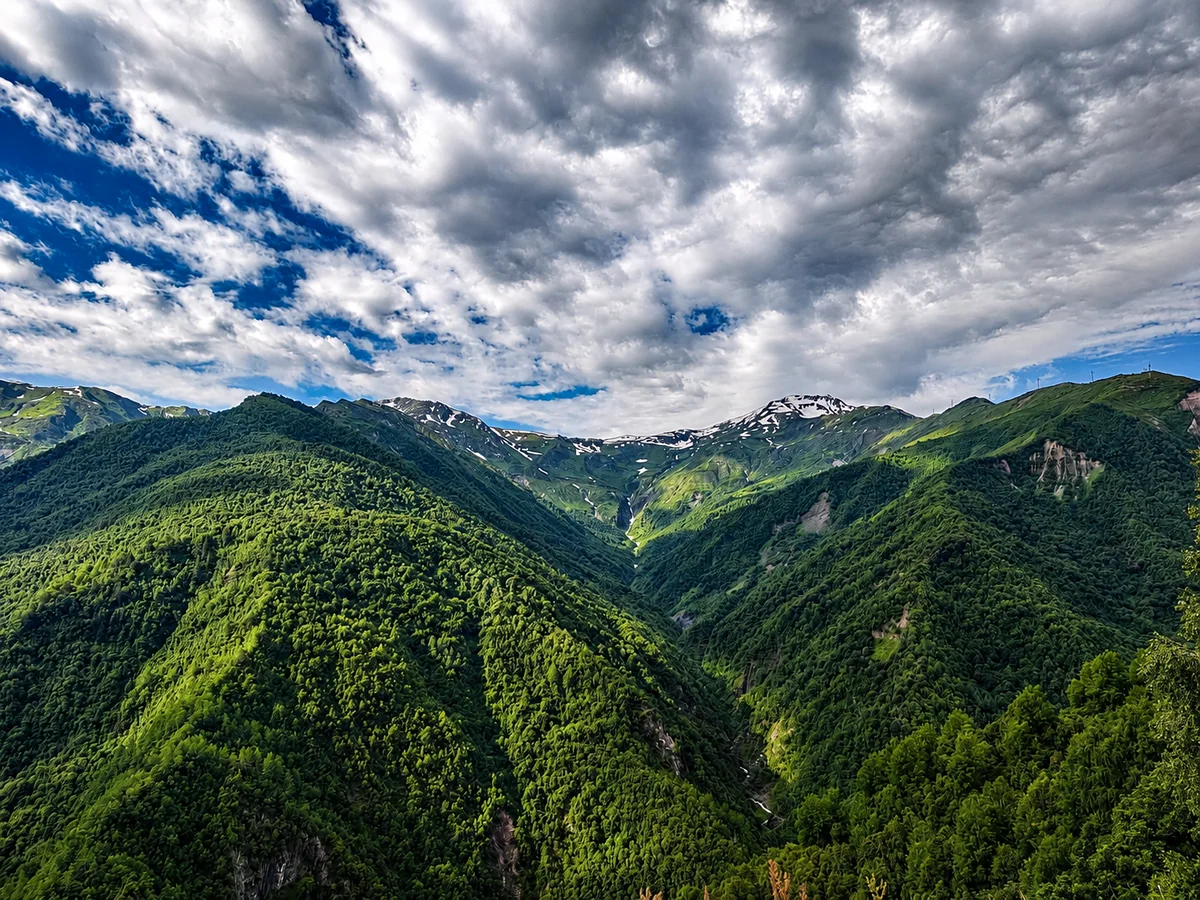
Mestia is the main hub of the Svaneti region and one of the most distinctive destinations in Georgia — the country in the South Caucasus. Surrounded by the high peaks of the Greater Caucasus, it offers a combination of nature, culture, and outdoor activity that's hard to find elsewhere in the country. Unlike destinations that rely on a single highlight, Mestia gives a wide range of experiences: medieval towers, museums, glacier hikes, and remote mountain villages, all within a relatively small area. It's a place you don't need to rush — a few days here lets you experience both the landscape and the culture at a natural pace.
What is there to do in Mestia?
The main things to do in and around Mestia are exploring the medieval Svan towers, visiting the Svaneti museum and the Margiani house museum, hiking to the Chalaadi Glacier, and taking the day trip to Ushguli. In winter, the Hatsvali and Tetnuldi ski areas come into play. Add walking the town itself and trying Svan cuisine, and Mestia easily fills several days. It suits travelers who want mountains and a genuinely distinct culture together, rather than a single headline sight.
Explore the Svan towers
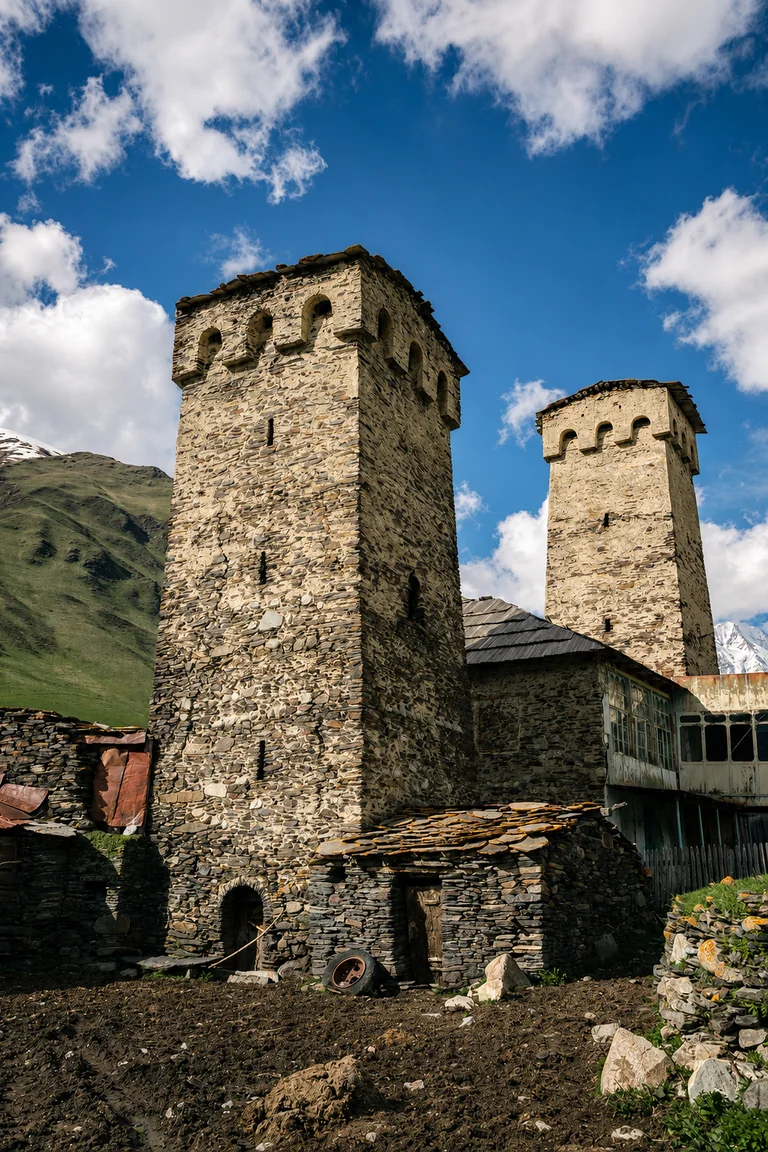
The Svan towers are the most recognizable symbol of Mestia and Svaneti. Built between the 9th and 13th centuries, these stone towers were used for defense: families retreated into them during the conflicts that were common in this isolated region. Walking through Mestia, you'll see towers integrated into residential areas, giving the town a distinctive architectural identity — they're not just monuments but part of the living landscape, and they appear in the background of almost every photograph taken here.
Visit the Svaneti museum
The Svaneti History and Ethnography Museum is one of the most important cultural stops in the region and a good place to start. It holds an extensive collection reflecting centuries of life here — religious icons, crosses, manuscripts, weapons, tools, and everyday items — and it's recognized as one of the most important collections of medieval Georgian art outside Tbilisi. Seeing it first gives context to everything else in Mestia, from the towers to the villages and landscapes.
Visit the Margiani house museum
The Margiani house museum offers a closer look at how people lived in Svaneti. The preserved house and tower show the layout of a traditional Svan home — living spaces, storage areas, and defensive elements — giving a more personal, practical understanding of life in the region than the towers alone convey.
Hike to the Chalaadi Glacier
One of the most accessible and rewarding hikes near Mestia leads to the Chalaadi Glacier. The trail runs through forest and along a river before opening into a rocky alpine landscape, with the glacier coming into view at the end — a strong contrast between greenery and ice. It's a moderate hike suitable for most travelers with basic fitness, and a good introduction to glacial landscape that needs no technical experience. Bring proper footwear and check conditions, as mountain weather changes quickly.
Take a day trip to Ushguli
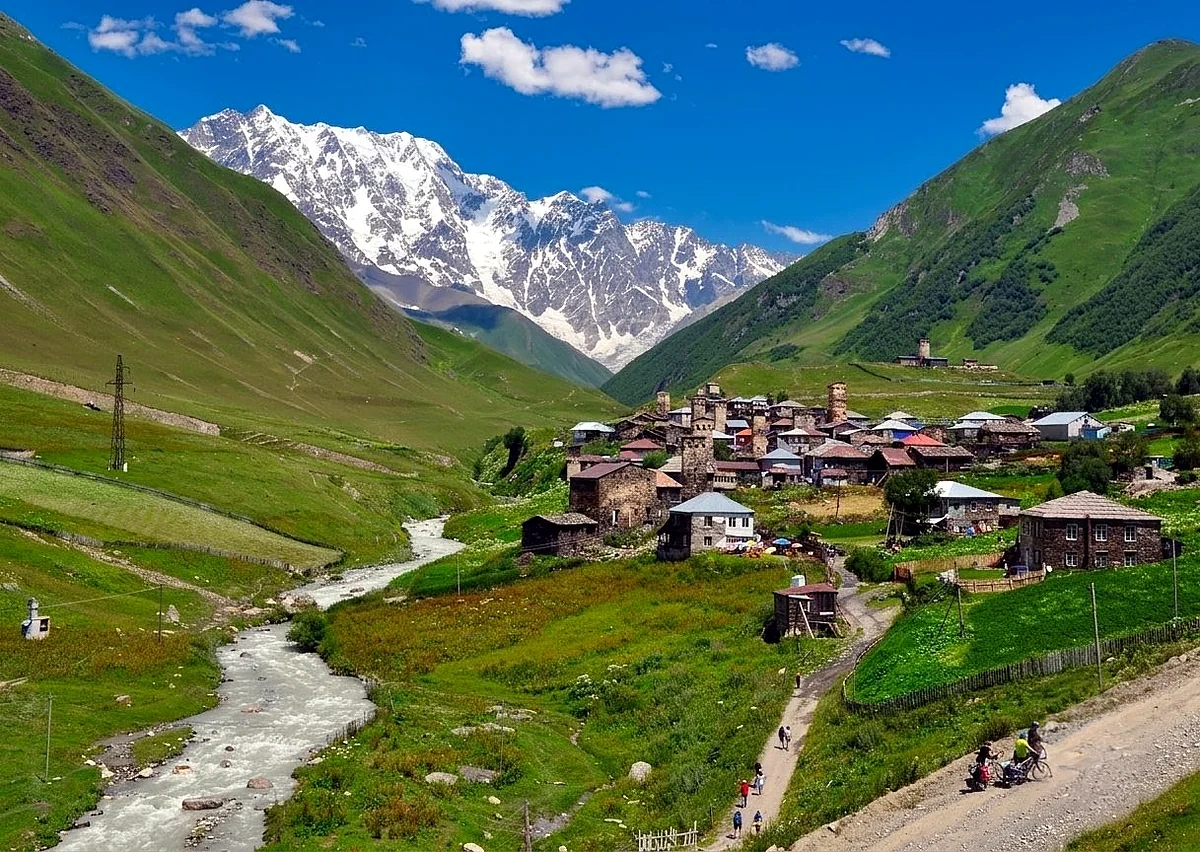
Ushguli is one of the highlights of Svaneti and the standout day trip from Mestia. About two to three hours away, it's one of the highest permanently inhabited settlements in Europe and part of the Upper Svaneti UNESCO World Heritage Site. The cluster of villages is known for its concentration of Svan towers and its remote setting at the foot of Mount Shkhara. The journey itself is a large part of the experience, with changing landscapes and mountain views along the way. Note the road is rough and needs a vehicle with good ground clearance, so most visitors go by shared 4x4 or organized transfer.
Ride the Hatsvali cable car
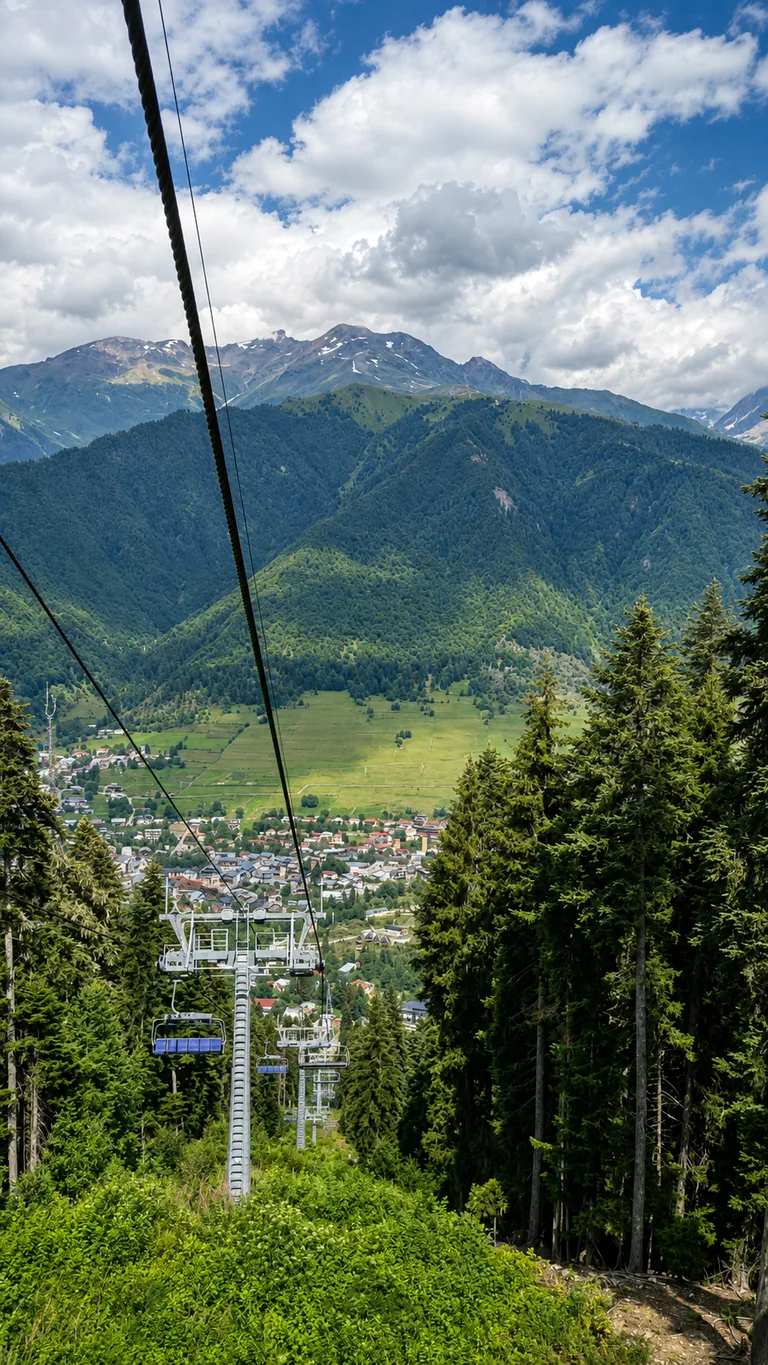
Hatsvali, just above Mestia, offers one of the best viewpoints in the region. You can reach it by cable car, with wide views over the town and surrounding mountains. In winter it's a ski area; in summer it's mainly used for sightseeing and short hikes, which makes it an easy half-day option whatever the season.
Ski or visit Tetnuldi
Tetnuldi is a larger ski area near Mestia with more extensive slopes. In winter it draws skiers looking for a less crowded alternative to Gudauri, and its wide, open terrain and mountain views make it one of the most scenic ski areas in Georgia. It's higher and less developed than the big eastern resorts, so flexible planning around Caucasus weather is wise.
Walk through Mestia town
Spending time walking through Mestia itself is an important part of the experience. The town is small, but it has a mix of traditional houses, towers, and small cafés, and it's a place to slow down, observe daily life, and take in the mountain setting — a low-key wander rather than a sightseeing circuit.
Experience Svan cuisine
Svaneti has its own culinary traditions, different from other regions of Georgia. The best-known dish is kubdari, a bread filled with spiced meat, and meals here tend to be simple but filling, reflecting the mountain environment. Trying the local food, ideally at a family guesthouse table, is part of understanding the region.
Best time to visit Mestia
The best time for hiking is June to September, when the trails are open and the weather is most stable, with the high passes opening through June and September quieter than peak summer. Winter (December to March) is the ski season, with a quieter, more remote atmosphere. The spring and autumn shoulder periods are calm but limit mountain access.
Why Mestia is one of Georgia's top destinations
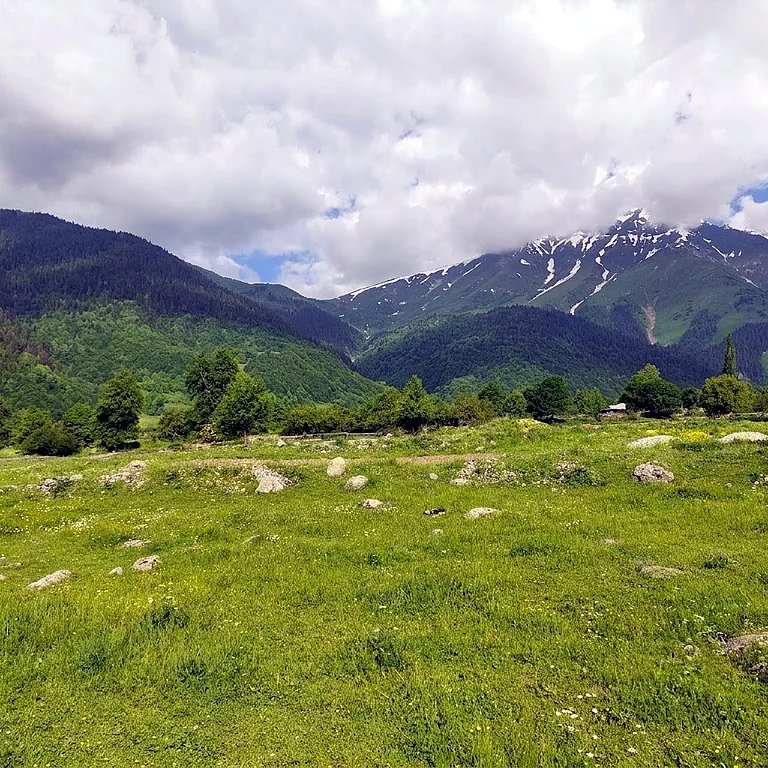
Mestia offers a combination that's hard to match: high mountain landscapes, a distinct cultural identity, outdoor activities, and historical architecture. It's one of the most complete destinations in Georgia for travelers who want both nature and culture — best approached over a few unhurried days rather than a quick stop, given how remote it is.
FAQ de Viajes por el Cáucaso
No — it's one of the more accessible hikes near Mestia, moderate and suitable for most travelers with basic fitness. The trail runs through forest and along a river before opening into rocky alpine terrain with the glacier at the end. Wear proper footwear and check the weather.
Yes — it's the standout day trip. About two to three hours away on a rough road, Ushguli is one of the highest permanently inhabited settlements in Europe, a UNESCO World Heritage Site with a dense cluster of Svan towers below Mount Shkhara. Most visitors go by shared 4x4 or transfer.
Yes. Hatsvali, just above the town, is small and easily reached by cable car, while Tetnuldi nearby is larger with more extensive, scenic slopes. Both are quieter alternatives to Gudauri, higher and less developed, so plan around Caucasus weather.
June to September for hiking, with stable weather and the high passes open by July. December to March is the ski season. The spring and autumn shoulder periods are quiet but limit mountain access.